By mid-January, news sources have thoroughly exhausted reports on American’s Yuletide spending and attention inevitably turns to the day of reckoning: Tax Day.
First commissioned a century ago, the Toledo, Ohio, refinery has long supplied gasoline and other products that fuel the region’s economy and communities.
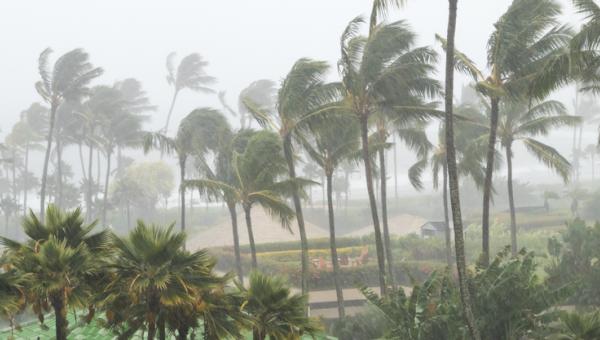
We enter the official 2020 hurricane season in June with a full appreciation that this year brings additional challenges as our nation continues a fight against a different yet deadly type of storm.
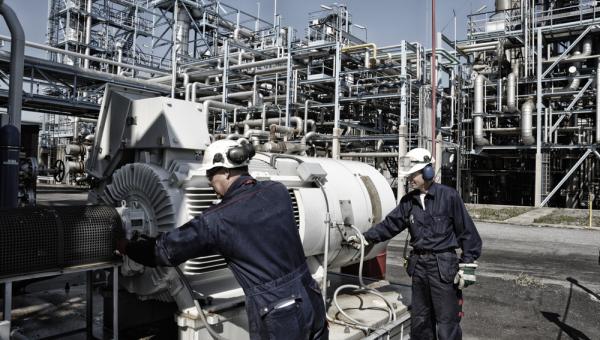
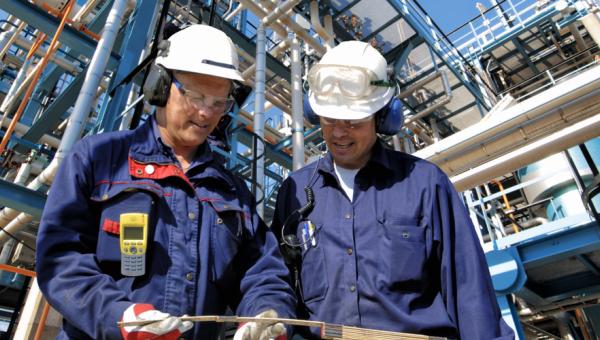
North America’s Building Trades Unions (NABTU) surveyed energy industry workers and examined existing BLSA data, and discovered several notable takeaways.
Fuel supply limitations resulting from the impact of hurricanes and other natural disasters on infrastructure, for example, can lead to price increases as the market reacts to rebalance supply and demand.
The unprecedented disaster wrought by Hurricane Harvey has the safety of friends, family, colleagues and communities along the Gulf Coast weighing heavy on our minds and hearts.
Fuel supply restrictions resulting from hurricanes and other natural disasters, often lead to price increases as the market reacts to rebalance supply and demand. To protect consumers, many states have enacted price gouging laws that limit a merchant’s ability to raise prices during an emergency.
A central theme running through the “Better Deal” economic policy agenda that the Democratic Party rolled out this week is the importance of creating—and protecting—good-paying jobs – jobs that will help boost middle-class incomes and create new economic opportunities nationwide.