This Lessons Learned session will focus on telling the stories of fatal incidents in Hydroprocessing units to facilitate an awareness and understanding of the different root causes contributing to them. Sharing the lessons learned will help prevent similar incidents from happening again. The presenters will cover a broad spectrum of incidents and their causes with a Q&A discussion at the end.
Moderator:
Thad Sauvain, Becht
Speakers:
Jeff Johns, Becht
Greg Mullek, Chevron U.S.A. Inc.
As petrochemicals and recycling advancements give old plastic new life over and over again—from shoes and clothes made of recycled plastic recovered from the ocean, to plastic bottles being chemically recycled into fuel and a raw material to make new petrochemicals—what it means to “recycle” is changing right before our eyes.
Plastic roads and buildings, the influence of energy and petrochemicals in geopolitics, and chemical and molecular recycling processes that could create a truly circular economy for plastic products were just a few of the topics discussed at AFPM’s 44th International Petrochemical Conference (IPC) in San Antonio last week.
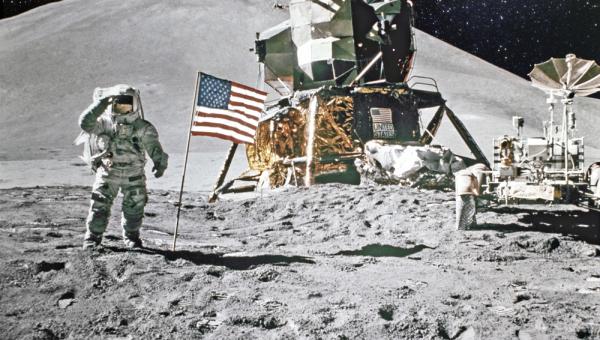
Preface: So, I was asked if we can somehow tie Moon Day with petrochemicals. I said that I’m pretty sure space suits are made from synthetic materials, so that’s a pretty good tie-in.
Operational case studies of DHT, GOHT, and NHT feed /effluent exchanger threats are presented with monitoring, reliability, and chemical addition strategies. Mitigating threats of feed side and effluent side fouling and corrosion over time also requires sustaining institutional knowledge through constant change of stream composition, temperatures, AND people. This presentation includes tips and tricks of templated calculations, use of Decision Support Tools, industry knowledge, vendor relationships and support, and cross-site sharing of findings.