Good morning Chairman Whitfield, Ranking Member Rush, and members of the Subcommittee. I appreciate the opportunity to testify before you today. My name is Chet Thompson and I am the President of the...
WASHINGTON, D.C. – Today, AFPM issued the following statement on the final RFS volumes announced for 2020 and EPA’s related decision on its supplemental proposal.
A letter from a bipartisan group of 39 senators was sent to EPA on Friday, urging the agency to increase the 2017 renewable volume obligations (RVOs) to the lofty levels set out by Congress back in 2007. It’s an idea that may work in theory, but today’s market realities tell a totally different story.
WASHINGTON, D.C. – Today, amid concerns about the spread of COVID-19, the American Fuel & Petrochemical Manufacturers has made the difficult decision to cancel its Annual Meeting slated to take place March 22-24 in Austin, Texas, and the International Petrochemical Conference scheduled for March 29-31 in New Orleans.
WASHINGTON, D.C. – EPA’s top priority should be making sure consumers have the clearest information at the pump. This proposal doesn’t just fall short, it would make it harder for consumers to distinguish the difference between E15 and E10 fuel.
A nationwide 95 RON octane standard can deliver major carbon reductions in the nation’s light-duty vehicle fleet faster and at a lower cost than any other proposal being considered by policymakers at the national level right now, especially policies seeking to force nationwide vehicle electrification
The cost of Renewable Fuel Standard (RFS) compliance credits, specifically D6 renewable identification numbers (RINs), is out of control. Sales of D6 RINs for conventional ethanol recently registered above $1.90 (the highest trades in history).
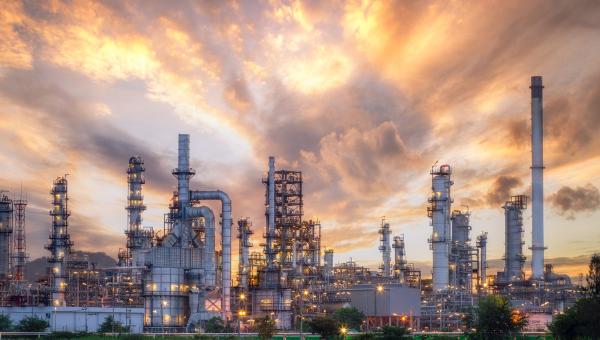
The U.S. is home to the most efficient and sustainable refining sector in the world, bolstering American energy security, supporting millions of well-paying jobs, and reliably providing the fuels the world needs to run. U.S. refiners have made major investments to continuously reduce the emissions of products and operations.