We took a moment to speak with Adam Ali, AFPM’s Manager of Workforce Development, about changes in the workplace employees are experiencing – including what happens when someone tests positive for COVID-19 — and actions being taken to protect and support the workforce.
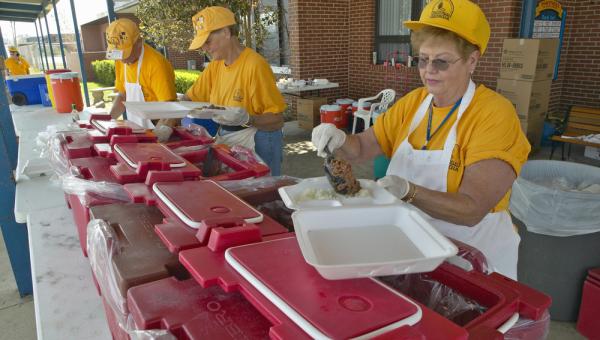
As industries with deep-running safety cultures and critical roles in product supply chains, the fuel and petrochemical industries are uniquely positioned to share vital products with some of those most in need during the COVID-19 pandemic.
The fuel and petrochemical industries have a long history of supporting the communities in which they live and operate, and they have amped up that support during this difficult time.
North America’s Building Trades Unions (NABTU) surveyed energy industry workers and examined existing BLSA data, and discovered several notable takeaways.
WASHINGTON, D.C. – The American Fuel & Petrochemical Manufacturers (AFPM) and EdVenture Partners (EVP) named the winning team of the Second Annual AFPM Recruitment Challenge.
The unprecedented disaster wrought by Hurricane Harvey has the safety of friends, family, colleagues and communities along the Gulf Coast weighing heavy on our minds and hearts.
A central theme running through the “Better Deal” economic policy agenda that the Democratic Party rolled out this week is the importance of creating—and protecting—good-paying jobs – jobs that will help boost middle-class incomes and create new economic opportunities nationwide.
Negotiations to modernize the North American Free Trade Agreement (NAFTA) are a chance to boost the competitiveness of U.S. companies in Canada and Mexico and solidify the preeminent role U.S. refiners and petrochemicals producers play in enabling global transportation and manufacturing.
In just five days, Hurricane Harvey unleashed one trillion gallons of water on the Houston area — equivalent to the amount rushing over Niagara Falls in a two-week period. The unprecedented rain has...