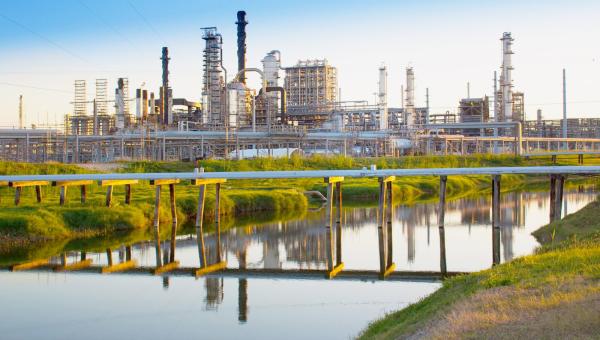
Experts are predicting this year’s season to be similar to last or even a little less severe, with Colorado State University Tropical Forecast calling for 13 named storms, six hurricanes and two category 3 or higher hurricanes. And as they do every year, refining and petrochemical companies are doing their part to ensure they are prepared for every possible scenario and batting down the hatches, if you will.
Hurricane season is coming — beginning June 1 and lasting through the end of November — and with it comes unpredictable storms and heightened risks. With forecasts predicting up to 19 named storms and 10 hurricanes — the refining and petrochemical industries are prepared.
HOUSTON — The dog days of summer typically bring one or two hurricanes that lash the U.S. Gulf Coast. The punch of these storms, with their powerful winds and heavy rains, often has the potential to curb production at Gulf Coast refineries that together churn out nearly 50 percent of U.S. motor fuels and are crucial to our economy.
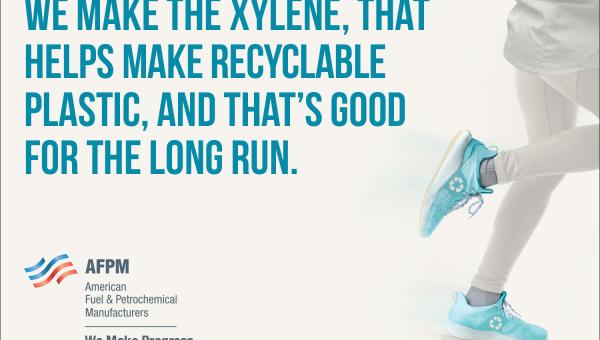
As petrochemicals and recycling advancements give old plastic new life over and over again—from shoes and clothes made of recycled plastic recovered from the ocean, to plastic bottles being chemically recycled into fuel and a raw material to make new petrochemicals—what it means to “recycle” is changing right before our eyes.
Plastic roads and buildings, the influence of energy and petrochemicals in geopolitics, and chemical and molecular recycling processes that could create a truly circular economy for plastic products were just a few of the topics discussed at AFPM’s 44th International Petrochemical Conference (IPC) in San Antonio last week.
Visit AFPM’s Hurricane and Weather Event Resource Center for more information on steps being taken to ensure the safety of our members’ facilities, their employees and the communities that surround them.