Coronavirus developments are front of mind for everyone, including the staff at AFPM. We took a moment to speak with Jeff Gunnulfsen, senior director, security and risk management, about industry preparedness for the pandemic.
U.S. fuel and petrochemical manufacturers are committed to doing their part to limit the spread of COVID-19 while maintaining the core services and functions our nation requires daily.
“Information security is the immune system in the body of business.” This cybersecurity saying has gained new weight in 2020, with the COVID-19 pandemic reinforcing the need for cybersecurity to be robust, flexible and agile—just like a healthy immune system.
By an act of Congress and with the stroke of a pen, the Federal Aviation Administration’s (FAA) programs will continue to receive funding for the next 14 months.
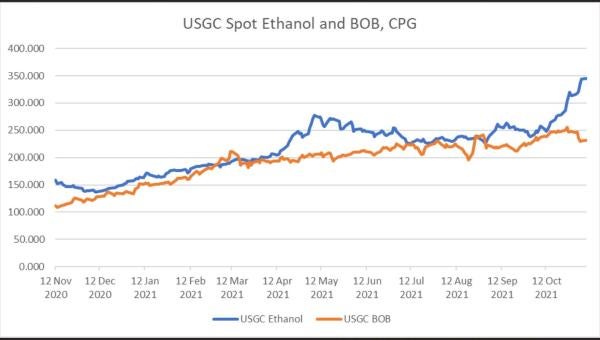
If the Biden Administration is serious about helping consumers, it needs to adopt policies that promote U.S. energy production and refining. A good place to start would be right-sizing RFS mandates.
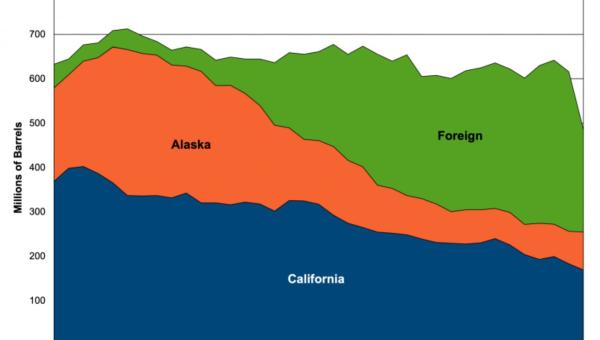
Limiting California’s access to the exact types of crude oil its facilities need will only increase prices for the state’s consumers and travelers. Drivers are already dealing with gasoline prices in excess of $5 per gallon and the highest fuel taxes of the 50 states. Confining energy producers and consumers to a smaller pool of crude oil will make a very sensitive price environment that much worse.
Government overreach is an issue that strikes a bipartisan chord. For some, the May 19th ruling by a federal appeals court – which eliminates the Federal Aviation Administration’s (FAA) 2015 requirement that hobbyists register their drones – may serve as a badge of freedom from the perpetual gaze of “Big Brother.”
It’s been two and a half years since Congress granted the Department of Homeland Security’s Chemical Facility Anti-Terrorism Standards (CFATS) program long-term authorization.
Fuel supply restrictions resulting from hurricanes and other natural disasters, often lead to price increases as the market reacts to rebalance supply and demand. To protect consumers, many states have enacted price gouging laws that limit a merchant’s ability to raise prices during an emergency.