WASHINGTON D.C. – The American Fuel & Petrochemical Manufacturers (AFPM) today released the following statement in response to the U.S. Senate procedural vote on the Green New Deal resolution.
Plastic roads and buildings, the influence of energy and petrochemicals in geopolitics, and chemical and molecular recycling processes that could create a truly circular economy for plastic products were just a few of the topics discussed at AFPM’s 44th International Petrochemical Conference (IPC) in San Antonio last week.
WASHINGTON, D.C. – The American Fuel & Petrochemical Manufacturers (AFPM) supports President Trump’s Executive Orders that will create clear pathways for the permitting process and support energy infrastructure development.
Preface: So, I was asked if we can somehow tie Moon Day with petrochemicals. I said that I’m pretty sure space suits are made from synthetic materials, so that’s a pretty good tie-in.
Ottawa, Canada — As the fourth session of the United Nation’s Intergovernmental Negotiating Committee (INC-4) to create a global agreement on plastic pollution concluded Monday in Ottawa, AFPM released the following statement.
Narratives that pit the refining and petrochemical industries against electric vehicles (EVs) ignore the symbiotic relationship of these industries. If you review the history of EVs – you will see that refining and petrochemical companies have been foundational to the EV market all along and will continue to be far into the future.
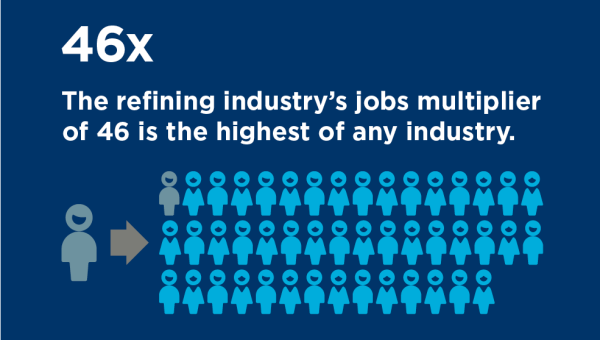
The U.S. refining industry has a widespread economic impact on our nation. It supports millions of American jobs and pumps billions of dollars into the economy, as documented by the new AFPM report Economic Contributions of U.S. Petroleum Refineries. Report highlights, based on the latest full year of data available through IMPLAN (2022), are featured in this blog.