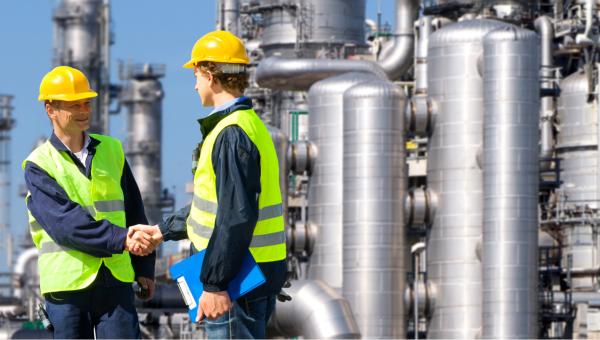
It was 2010 and Jerry Wascom, ExxonMobil’s Americas refining director, was worried. Despite fuel and petrochemical manufacturers making significant improvements in the safety of their individual operations, across the industries there was an uptick in serious incidents. Workers were getting injured, surrounding communities were losing confidence, the reputation of the industries was being tarnished and regulators were becoming increasingly engaged. Wascom turned to his counterparts within the American Fuel and Petrochemical Manufacturers Association (AFPM), the industry trade group, and asked, “Are we doing enough to protect people?”
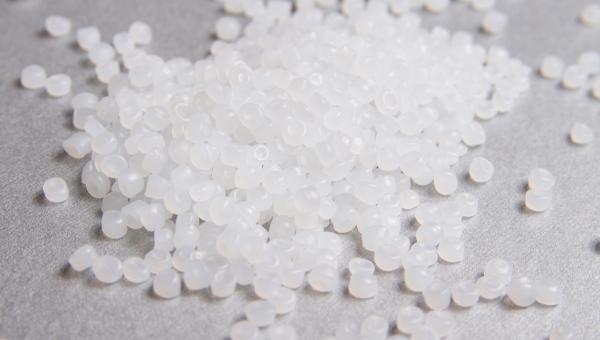
U.S. petrochemical manufacturers are at the forefront of research and development into cutting-edge solutions to give new life to used plastic products. Leveraging their in-depth understanding of plastics’ molecular composition and the manufacturing process itself, AFPM members are investing in recycling technology, infrastructure and partnerships that will reduce mismanaged plastic waste by applying unlocking its value as a feedstock.
Before the pandemic hit, the nation’s manufacturing sector — including the refining and petrochemical industries — was wrestling with how to find and train enough young people to replace the wave of Baby Boomers retiring from the workforce at a rate of nearly 6,000 per day.
With recent plastic waste legislation from New York and New Jersey making headlines, we sat down with AFPM Senior Director of Petrochemicals, Transportation and Infrastructure Rob Benedict to discuss the petrochemical industry’s role in reducing plastic waste, new technological breakthroughs and how AFPM analyzes plastic waste policy proposals.
America’s refining and petrochemical community employs and supports over three million people, hiring individuals from all education levels to fill a wide range of positions (such as welders, electricians, chemists, and engineers).
In 2019, Chevron Phillips Chemical (CPChem)’s Sustainability Technical Manager Ron Abbott was given a seemingly insurmountable challenge: by 2020, make CPChem the first company in the U.S. to announce commercial production of a circular polymer made by converting plastic waste into the chemical building blocks for new plastic. A cross-functional team was launched and started chipping away at the goal.
March is Women’s History Month, and the American Fuel & Petrochemical Manufacturers (AFPM) has two upcoming opportunities for the women in our industry to network and connect with their peers. Women...
A recent Pew study found that seven-in-ten Americans now use social media. This shouldn’t come as a surprise. Social media has existed for the better part of 15 years. It is entrenched in our societal fabric.