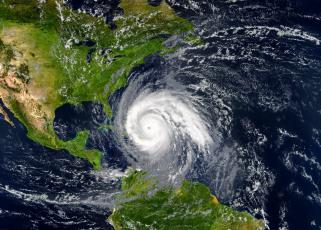
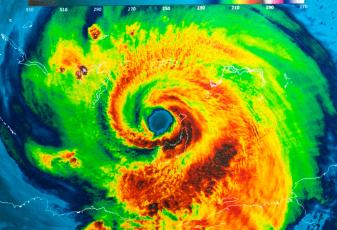
Hurricane season officially began June 1 — and while early forecasts point to a “below normal” Atlantic season, there’s no such thing in our industries as taking a season off.
Forecasters are calling for just one to three major hurricanes and three to six in total this year, a relatively modest outlook by recent standards. But as anyone along the Gulf Coast knows, it only takes one storm in the wrong place at the wrong time to turn a quiet season into a costly one.
That’s because the U.S. energy system often has a front-row seat to hurricane activity. The U.S. Gulf Coast accounts for roughly half of the nation’s refining capacity. When storms enter the region, they don’t just bring wind and rain — they can disrupt the production and movement of the fuels Americans rely on every day.
Offshore, the stakes can be just as high. The Gulf of America supports about 14 percent of U.S. oil production and two percent of natural gas production. Even a temporary shutdown can ripple through supply chains and markets, underscoring just how closely weather and energy are intertwined.
While 2026 may not be expected to be especially active, preparedness remains anything but optional. AFPM and our members will, as always, track every system that forms in the Atlantic. In our industries, “below normal” is never a reason to relax — it’s a cue to stay ready, stay vigilant, and never underestimate a single storm.
For more information on how our facilities prepare for hurricanes and other severe weather events, and a list of federal and state resources on storm preparedness, please visit our "Preparing for Disruption" page.
The American Fuel & Petrochemical Manufacturers (AFPM) is the leading trade association representing the makers of the fuels that keep us moving, the petrochemicals that are the essential building blocks for modern life, and the midstream companies that get our feedstocks and products where they need to go. We make the products that make life better, safer and more sustainable — we make progress.