Recent Posts

Why a diesel export ban would backfire

It may seem logical that if the United States stops exporting diesel, more fuel will stay here and prices will fall. But more diesel in the United States does not necessarily mean lower prices at the pump, especially when the United States is not facing a shortage of diesel. If refiners cannot export or economically store surplus diesel, some could reduce production, which tightens supplies, puts upward pressure on fuel prices and weakens U.S. energy security.
What they’re saying, part 1: Export ban is the wrong move for U.S. energy security

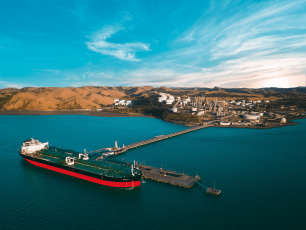
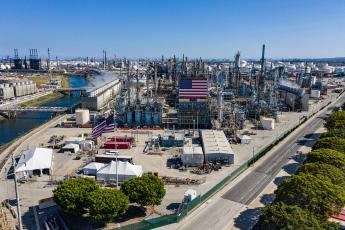
We've heard some talk lately about export bans and whether cutting off U.S. crude oil or American-made diesel, gasoline and refined products from the global market could be used as a tool to cut prices for consumers. Administration officials like Energy Secretary Chris Wright and Interior Secretary Doug Burgum see export bans as a clear unforced error, and they’re not alone. Other experts, commentators and analysts share the view that an export ban would be a costly and counterproductive mistake. It would mean less U.S. fuel production, tighter supplies, greater energy security risks and higher prices.

What they’re saying: Why fuel prices aren’t moving in lockstep with crude oil 

Geopolitical conflicts, refinery outages, export restrictions and supply chain disruptions have reduced the world's ability to convert crude oil into usable fuels, even as global consumer demand remains strong. The following perspectives from analysts and reporters help explain why fuel prices today aren’t moving in lockstep with crude oil prices, and why refining capacity has become one of the most important factors shaping what consumers pay at the pump.

What they’re saying: Fuel prices and high earnings result from stress in global refining

Some have been surprised by recent refining margins, earnings in the refining sector and a seeming disconnect between finished fuel prices and prices of crude oil. There’s a reason for this: in short, while the price of crude oil is the biggest factor determining fuel prices, it’s not the only factor, and there’s particular tightness in the global refined product market which hadn’t been the case until recently. Take a look to see what several analysts, reporters and market experts have explained about this topic.

Why it’s essential for the U.S. to import and export energy

Supply disruptions tied to the Strait of Hormuz have renewed questions about U.S. energy security and why events halfway around the world still affect energy markets here at home. While we are the world’s largest crude oil producer and make more than enough gasoline, diesel and jet fuel to meet domestic demand, we still import and export both crude oil and refined products.

AFPM statement on the inauguration

WASHINGTON, D.C. — American Fuel & Petrochemical Manufacturers (AFPM) President and CEO Chet Thompson issued the following statement on the inauguration of the 47th President of the United States and the opportunity to advance policies that deliver for American energy manufacturers and consumers: