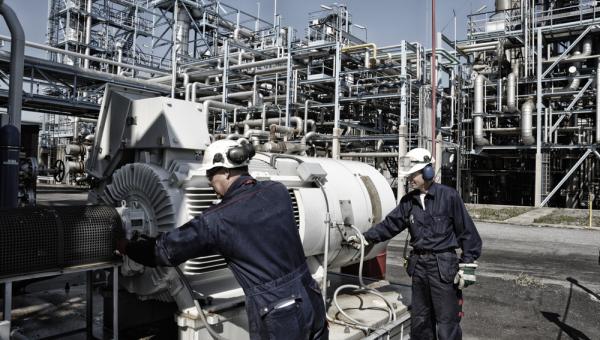
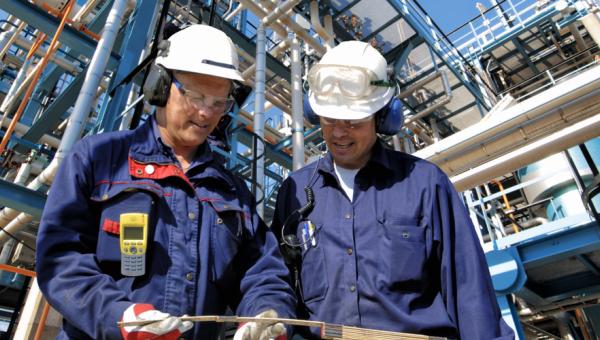
Employee health and safety is top priority for the fuel and petrochemical industries, and the COVID outbreak has necessitated a number of changes to business operations.
We took a moment to speak with Adam Ali, AFPM’s Manager of Workforce Development, about changes in the workplace employees are experiencing – including what happens when someone tests positive for COVID-19 — and actions being taken to protect and support the workforce.
The temporary enforcement policy announced by the Environmental Protection Agency (EPA) triggered criticism about some in the oil and gas industry getting a “license to pollute” during a public health emergency.
AFPM recently voiced its disappointment at the decision by the U.S. Supreme Court not to hear ExxonMobil’s challenge to the New Hampshire Supreme Court’s decision to uphold a $236 million judgment against the company’s use of Methyl Tertiary Butyl Ether (MTBE) in the state’s gasoline supply in the 1990s.
The unprecedented disaster wrought by Hurricane Harvey has the safety of friends, family, colleagues and communities along the Gulf Coast weighing heavy on our minds and hearts.
A central theme running through the “Better Deal” economic policy agenda that the Democratic Party rolled out this week is the importance of creating—and protecting—good-paying jobs – jobs that will help boost middle-class incomes and create new economic opportunities nationwide.
In just five days, Hurricane Harvey unleashed one trillion gallons of water on the Houston area — equivalent to the amount rushing over Niagara Falls in a two-week period. The unprecedented rain has...
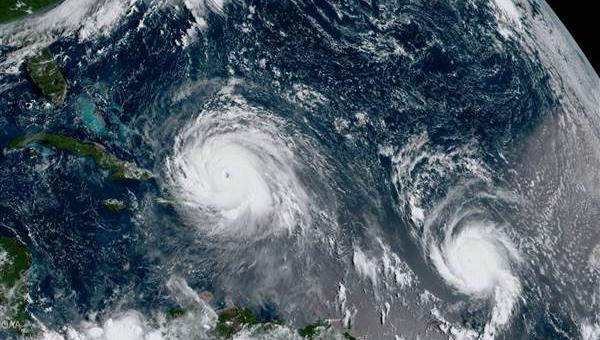
A duo of strong storms that swept through the United States has temporarily disrupted domestic fuel markets, but effective responses by the private and public sectors have limited the fallout from Hurricanes Harvey and Irma for Americans who need fuel critical for commerce.