As American manufacturers champion their contributions to economic competitiveness and product innovation today, the industry has yet another reason to celebrate – U.S. manufacturing employment is still on the rise.
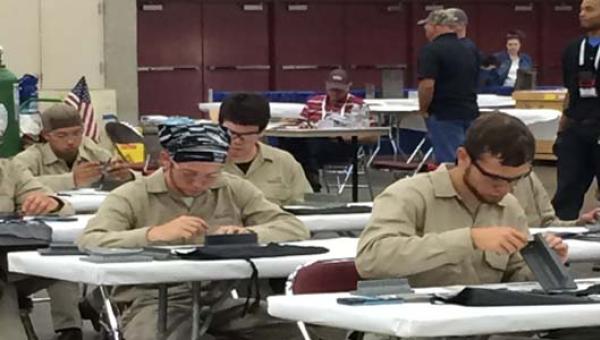
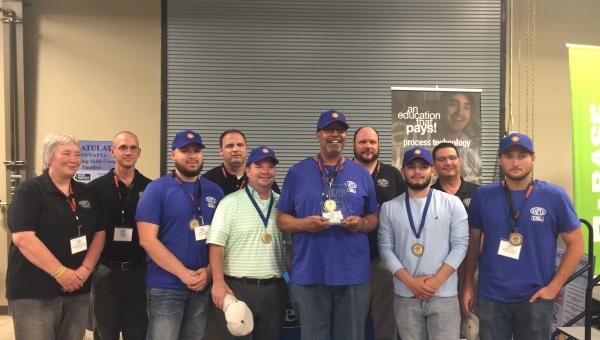
One of the most significant challenges facing the fuel and petrochemical industries is finding the next generation of craft professionals ranging from electricians to millwrights to everything in between.
As 2017 gets started, the activist rhetoric for divestment will inevitably ramp up. So here are a few hard truths that divestment proponents ignore: 1. It’s bad business. Pension and university...
Refineries are not the story when it comes to retail gasoline prices. Raw materials (in this case crude oil) account for the biggest share of the final price consumers pay.
COVID-19 upended energy markets. Demand disappeared and producers scaled back. Now that economies are reopening, and the demand for goods and services is rebounding, the demand for energy all along the supply chain is increasing, driving up not only the cost of the feedstocks and fuels refineries and petrochemical manufacturers use, but also the cost of the energy used at every step of the supply chain.
WASHINGTON, D.C. – Chet Thompson, president and CEO of the American Fuel & Petrochemical Manufacturers (AFPM), today issued the following statement in response to comments by Vice President Joseph R. Biden Jr. in last night’s presidential debate
Before the pandemic hit, the nation’s manufacturing sector — including the refining and petrochemical industries — was wrestling with how to find and train enough young people to replace the wave of Baby Boomers retiring from the workforce at a rate of nearly 6,000 per day.