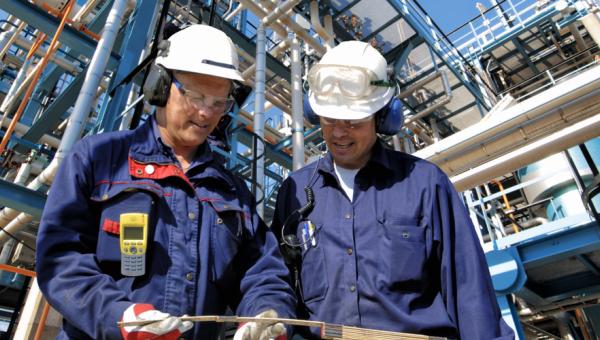
A central theme running through the “Better Deal” economic policy agenda that the Democratic Party rolled out this week is the importance of creating—and protecting—good-paying jobs – jobs that will help boost middle-class incomes and create new economic opportunities nationwide.
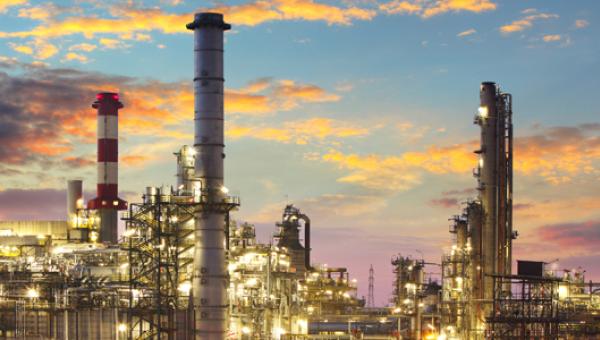
Negotiations to modernize the North American Free Trade Agreement (NAFTA) are a chance to boost the competitiveness of U.S. companies in Canada and Mexico and solidify the preeminent role U.S. refiners and petrochemicals producers play in enabling global transportation and manufacturing.
In just five days, Hurricane Harvey unleashed one trillion gallons of water on the Houston area — equivalent to the amount rushing over Niagara Falls in a two-week period. The unprecedented rain has...
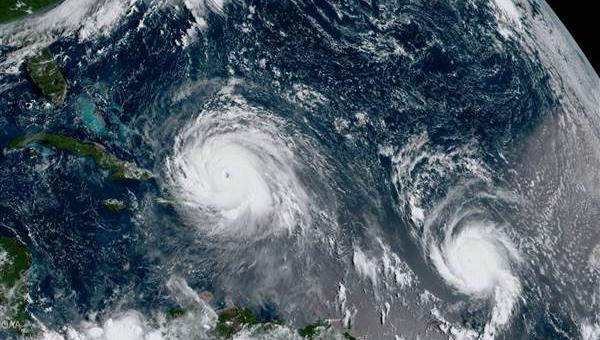
Hurricane Irma passed through Florida and into the Southeast over the weekend, and our thoughts and prayers are with the state and its residents as they begin to recover from this devastating storm.
A duo of strong storms that swept through the United States has temporarily disrupted domestic fuel markets, but effective responses by the private and public sectors have limited the fallout from Hurricanes Harvey and Irma for Americans who need fuel critical for commerce.
Ethylene, a key building block in plastic and vital to our country’s manufacturing industry, has been thrust into the spotlight due to Hurricane Harvey’s impact on its production process.
Alongside the publication of AFPM’s new study, “The Fuel & Petrochemical Supply Chains: Moving the Fuels & Products That Power Progress,” Flash Point interviewed leaders working on U.S. midstream infrastructure issues, including Sean Strawbridge, CEO of the Port of Corpus Christi.
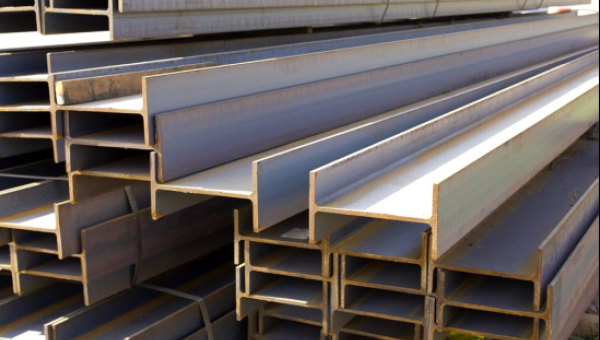
The American Fuel & Petrochemical Manufacturers (AFPM) has expressed concern about the impact that steel and aluminum tariffs would have on prices at the pump, infrastructure investment and jobs.