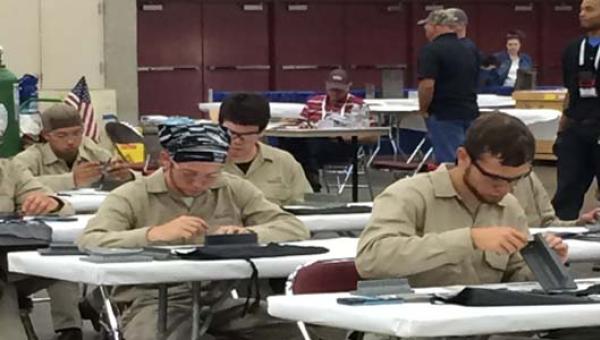
One of the most significant challenges facing the fuel and petrochemical industries is finding the next generation of craft professionals ranging from electricians to millwrights to everything in between.
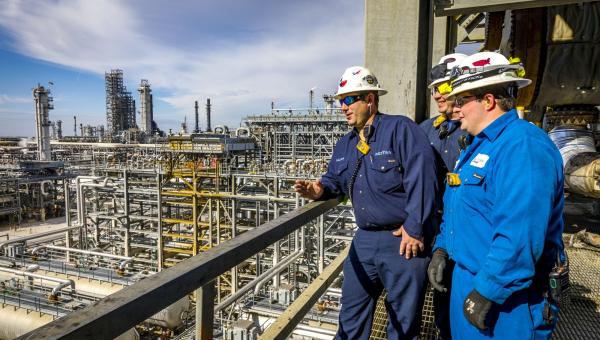
For more than 100 years, the women and men of our industries have answered the call to serve when our country needed them. Through war, economic shocks, and natural disasters, refiners and petrochemical manufacturers have helped build new industries, grow our economy and fuel progress.
WASHINGTON, D.C. – The United Steelworkers—on behalf of their 1.2 million active and retired members, and the American Fuel & Petrochemical Manufacturers, in a joint letter, have petitioned President Biden to fill the four empty seats on the Chemical Safety & Hazards Investigations Board (CSB).
We are surprised and disappointed by the President’s letter. Any suggestion that U.S. refiners are not doing our part to bring stability to the market is false. We would encourage the Administration to look inward to better understand the role their policies and hostile rhetoric have played in the current environment.
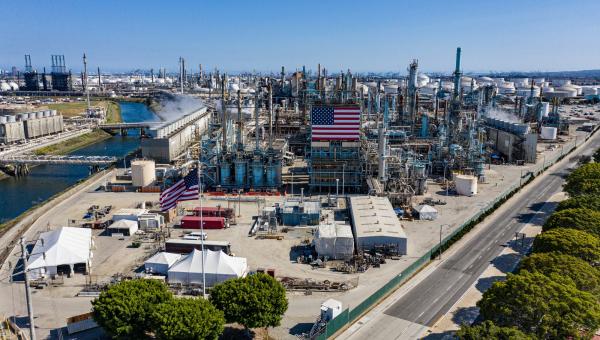
In a tight refined product market it has been U.S. refiners that have stepped up. Our industry ran full-out for most of 2022 making sure American consumers, our domestic economic centers and our allies had enough gasoline, diesel and jet fuel to keep everyone moving. Our refining sector leads the world in liquid fuel production and is effectively doing more than any other to bring better balance to the global market.
WASHINGTON D.C. – Chet Thompson, president and CEO of the American Fuel & Petrochemical Manufacturers (AFPM), today released the following statement on proposed U.S. Senate legislation that would expand the electric vehicle tax credit by 400,000 vehicles per manufacturer.
Over the past two decades, as the HollyFrontier Navajo Refinery has more than doubled its output, the surrounding community of Artesia, New Mexico has developed its local business district to support this unprecedented growth.
HOUSTON — The dog days of summer typically bring one or two hurricanes that lash the U.S. Gulf Coast. The punch of these storms, with their powerful winds and heavy rains, often has the potential to curb production at Gulf Coast refineries that together churn out nearly 50 percent of U.S. motor fuels and are crucial to our economy.