With recent plastic waste legislation from New York and New Jersey making headlines, we sat down with AFPM Senior Director of Petrochemicals, Transportation and Infrastructure Rob Benedict to discuss the petrochemical industry’s role in reducing plastic waste, new technological breakthroughs and how AFPM analyzes plastic waste policy proposals.
Polyester soccer jerseys, polyethylene swim lane dividers, carbon track shoe insoles, and the jet fuel that moves athletes all over the world. These are just a few examples of the and fuels and petrochemical-based materials that play an irreplaceable role in summer sports.
The U.S. petrochemical industry has a crucial and enduring role to play in meeting the needs of a growing world population while simultaneously fulfilling the imperative to produce petrochemicals in a sustainable and clean manner.
WASHINGTON, D.C. – The American Fuel & Petrochemical Manufacturers (AFPM) is pleased to announce ExxonMobil’s Karen McKee—president of ExxonMobil Product Solutions Company—as the 2024 Petrochemical Heritage Award recipient for her outstanding contributions to the petrochemical community. McKee received the award today, March 25 during the International Petrochemical Conference in San Antonio, Texas hosted by AFPM.
2019 has ushered a slew of energy conferences to the oil- and gas-friendly state of Texas, and in some cases the media took issue with the lack of diversity — mainly women.
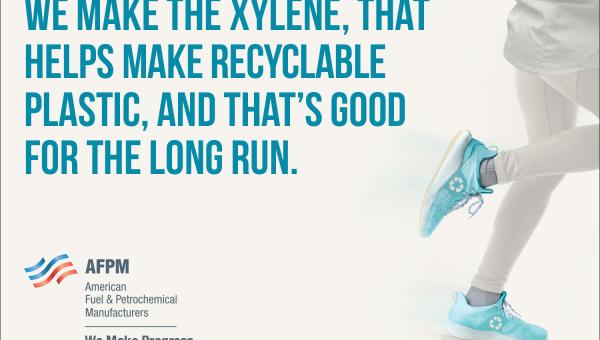
As petrochemicals and recycling advancements give old plastic new life over and over again—from shoes and clothes made of recycled plastic recovered from the ocean, to plastic bottles being chemically recycled into fuel and a raw material to make new petrochemicals—what it means to “recycle” is changing right before our eyes.