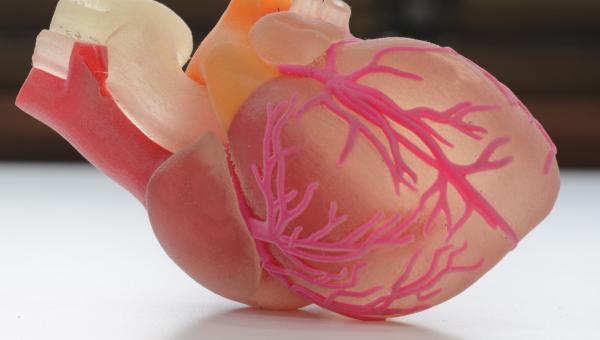
In a health care revolution, the Cardiac 3D Print Lab at Phoenix Children’s Hospital is making model organs out of plastics to help save children’s lives.
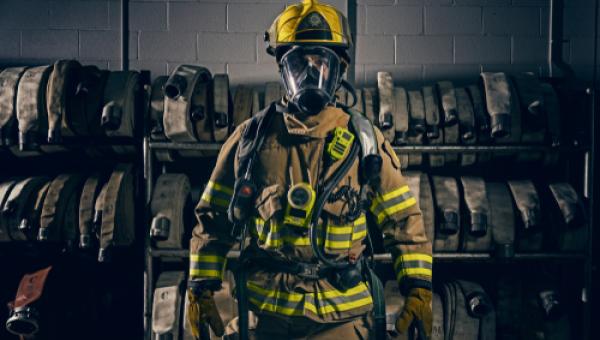
Dan’s legs – and his life – were saved, thanks to the fellow firefighters that pulled him out of danger and his personal protective equipment (PPE), also known as turnout gear, gear that’s made possible by petrochemicals.
Alongside the publication of AFPM’s new study, “The Fuel & Petrochemical Supply Chains: Moving the Fuels & Products That Power Progress,” Flash Point interviewed leaders working on U.S. midstream infrastructure issues.
In the days before stain-resistant carpets and upholstery, keeping muddy dogs and kids’ shoes off the furniture and out of the living room was a full-time job.
Every day, AFPM members make products that improve our lives and contribute to human progress — including fuels like gasoline, diesel and jet fuel that facilitate access to vital health services, and petrochemicals used as building blocks to create healthcare equipment, devices and technologies.
The latest job numbers out today (Friday, September 7th) once again paint a rosy picture of the U.S. economy – 201,000 jobs were added in August, above expectations, and wages continued to increase.
As American manufacturers champion their contributions to economic competitiveness and product innovation today, the industry has yet another reason to celebrate – U.S. manufacturing employment is still on the rise.
As the Energy Information Administration pointed out in a recent update, alternative energy is growing - and wind and solar continue to lead that mix. This rising (although still tiny) growth rate is...