Given low domestic recycling rates for plastic, the efficacy of recycling is often called into question. But that doesn’t mean recycling doesn’t work. Advanced recycling technologies — as well as traditional mechanical recycling — play a pivotal role in addressing plastic waste and recovering the value in used plastics.
No single solution can solve the global challenge of plastic waste. First, we must recognize that there is immense value in plastics and the ability to reuse or recycle these products. From there, we need to get a recycling system that works.
WASHINGTON, D.C. — American Fuel & Petrochemical Manufacturers (AFPM) Vice President of Petrochemicals and Midstream Rob Benedict issued the following statement at the conclusion of the United Nations’ Intergovernmental Negotiating Committee (INC- 5.2) where a global agreement to end plastic pollution was not reached, though participating nations have agreed to continue the process.
What comes next for returning service members varies greatly. For McNeill and Harbin, both found rewarding work that instilled pride in them not too dissimilar from what they felt serving their country - in the fuel refining and petrochemical industries.
Over the past two decades, as the HollyFrontier Navajo Refinery has more than doubled its output, the surrounding community of Artesia, New Mexico has developed its local business district to support this unprecedented growth.
Mowing lawns is a summertime rite of passage in America, providing young people with experience pitching their business to neighbors, keeping a work schedule, and making and managing money—from purchasing the gasoline that fuels the operation, to budgeting for the oils and lubricants that keep a mower’s engine and blades running smoothly.
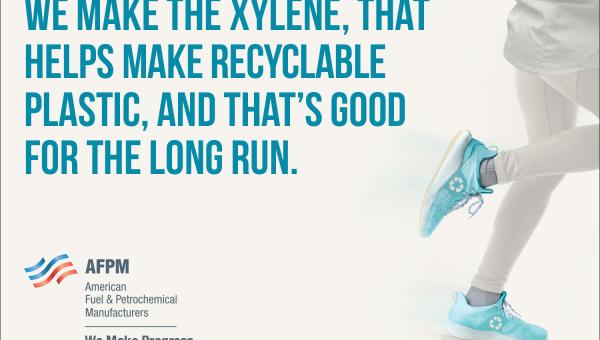
As petrochemicals and recycling advancements give old plastic new life over and over again—from shoes and clothes made of recycled plastic recovered from the ocean, to plastic bottles being chemically recycled into fuel and a raw material to make new petrochemicals—what it means to “recycle” is changing right before our eyes.
Plastic roads and buildings, the influence of energy and petrochemicals in geopolitics, and chemical and molecular recycling processes that could create a truly circular economy for plastic products were just a few of the topics discussed at AFPM’s 44th International Petrochemical Conference (IPC) in San Antonio last week.