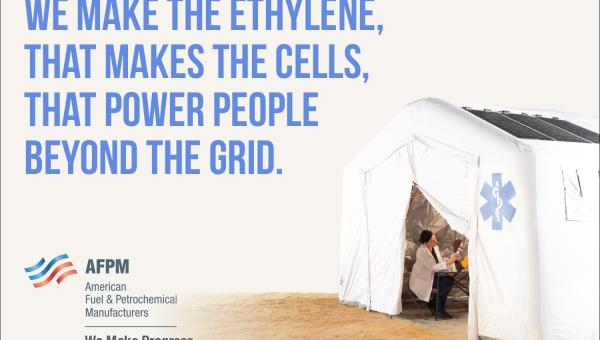
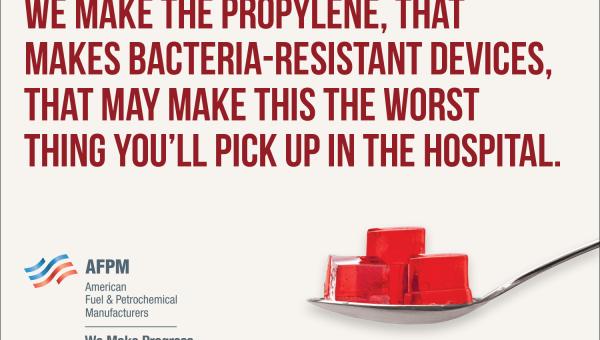
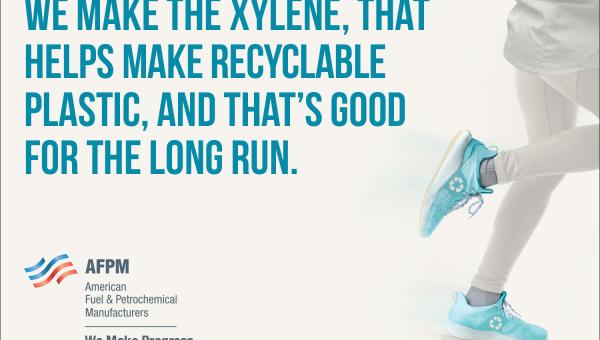
Petrochemicals derived from oil and natural gas are the building blocks for products that protect our military personnel, create medical advancements to help save lives in combat, and aid our wounded warriors.
AFPM President and CEO Chet Thompson testified before a House Energy & Commerce subcommittee on legislation aimed at preserving U.S. energy security and Americans’ ability to purchase the fuels and vehicles of their choosing while continuing to move the transportation sector in a more efficient and less carbon intensive direction.
Experts are predicting this year’s season to be similar to last or even a little less severe, with Colorado State University Tropical Forecast calling for 13 named storms, six hurricanes and two category 3 or higher hurricanes. And as they do every year, refining and petrochemical companies are doing their part to ensure they are prepared for every possible scenario and batting down the hatches, if you will.
Visit AFPM’s Hurricane and Weather Event Resource Center for more information on steps being taken to ensure the safety of our members’ facilities, their employees and the communities that surround them.
Mowing lawns is a summertime rite of passage in America, providing young people with experience pitching their business to neighbors, keeping a work schedule, and making and managing money—from purchasing the gasoline that fuels the operation, to budgeting for the oils and lubricants that keep a mower’s engine and blades running smoothly.
As petrochemicals and recycling advancements give old plastic new life over and over again—from shoes and clothes made of recycled plastic recovered from the ocean, to plastic bottles being chemically recycled into fuel and a raw material to make new petrochemicals—what it means to “recycle” is changing right before our eyes.
Plastic roads and buildings, the influence of energy and petrochemicals in geopolitics, and chemical and molecular recycling processes that could create a truly circular economy for plastic products were just a few of the topics discussed at AFPM’s 44th International Petrochemical Conference (IPC) in San Antonio last week.