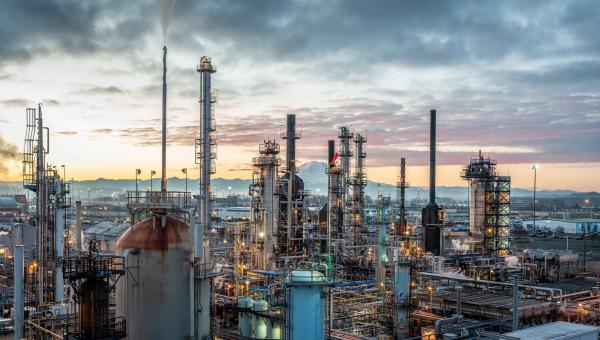
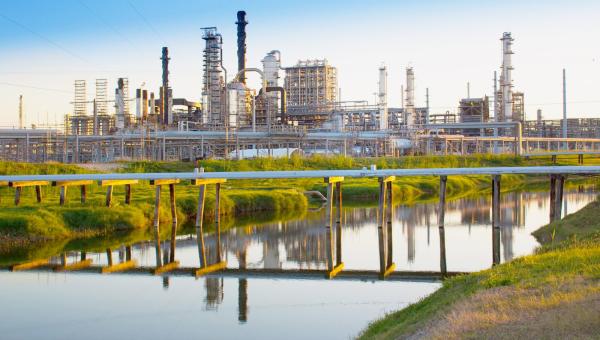
Experts are predicting this year’s season to be similar to last or even a little less severe, with Colorado State University Tropical Forecast calling for 13 named storms, six hurricanes and two category 3 or higher hurricanes. And as they do every year, refining and petrochemical companies are doing their part to ensure they are prepared for every possible scenario and batting down the hatches, if you will.
When Congress created the Renewable Fuel Standard, the intent was clear. The RFS was supposed to build a market for American-grown biofuels and support domestic energy security. Today, EPA wants to deviate wildly from this course. Instead of maintaining the RFS as a program for liquid transportation biofuels, EPA’s RFS proposal for 2023 to 2025 would begin transforming the RFS into yet another huge government subsidy for electric vehicles.
Visit AFPM’s Hurricane and Weather Event Resource Center for more information on steps being taken to ensure the safety of our members’ facilities, their employees and the communities that surround them.
The friendly skies have never been more crowded. In 2018, 4.3 billion passengers stowed their tray tables and brought their seat backs into the upright position on their way to and from wherever they wanted — or needed — to go.
Hurricane season is coming — beginning June 1 and lasting through the end of November — and with it comes unpredictable storms and heightened risks. With forecasts predicting up to 19 named storms and 10 hurricanes — the refining and petrochemical industries are prepared.
If you read the headlines in the news lately — “Greenhouse Gas Emissions From Plastics Are Predicted to Rise,” “New Texas petrochemical projects add millions of tons of greenhouse gas pollution, report finds” — you’d think emissions from the petrochemical industry were getting worse.
WASHINGTON, D.C. – The American Fuel & Petrochemical Manufacturers (AFPM) applauds the House Energy & Commerce Committee for passing H.R. 4775, the “Ozone Implementation Act of 2016” and urges the House of Representatives to take further action on this critical piece of legislation.
HOUSTON — The dog days of summer typically bring one or two hurricanes that lash the U.S. Gulf Coast. The punch of these storms, with their powerful winds and heavy rains, often has the potential to curb production at Gulf Coast refineries that together churn out nearly 50 percent of U.S. motor fuels and are crucial to our economy.