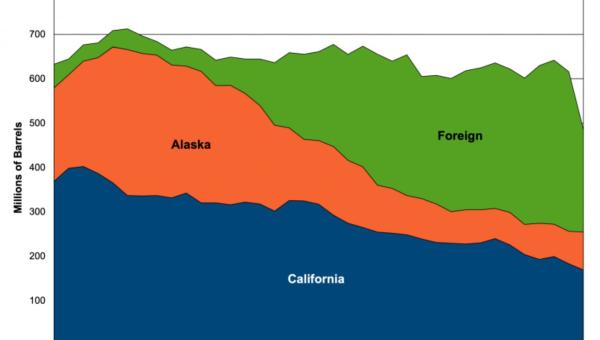
Limiting California’s access to the exact types of crude oil its facilities need will only increase prices for the state’s consumers and travelers. Drivers are already dealing with gasoline prices in excess of $5 per gallon and the highest fuel taxes of the 50 states. Confining energy producers and consumers to a smaller pool of crude oil will make a very sensitive price environment that much worse.
As the days grow longer and the mercury rises, boating season gets into full swing. For the next several months, sportsman, families, and boating enthusiasts alike will hit the water to cool off and enjoy all that boating has to offer.
A recent opinion piece in the Washington Examiner, A higher ethanol blend should be your choice, not the government’s was a fascinating display of hypocrisy.
Fuel supply restrictions resulting from hurricanes and other natural disasters, often lead to price increases as the market reacts to rebalance supply and demand. To protect consumers, many states have enacted price gouging laws that limit a merchant’s ability to raise prices during an emergency.
If someone is telling you something that is too good to be true, it’s probably because it is. In this case, it’s the ethanol lobby that is advancing a bill under the guise of “consumer choice,” that...
Hurricane Irma passed through Florida and into the Southeast over the weekend, and our thoughts and prayers are with the state and its residents as they begin to recover from this devastating storm.
As we head into the Memorial Day weekend, a lot of attention is being paid to the price of gasoline. This is no surprise since over 36 million travelers are expected to hit the roads across the country this weekend - at a time when prices for the crude oil used to make fuels are climbing.
Much of the focus within the Renewable Fuel Standard is on corn ethanol and the 15-billion-gallon conventional biofuel mandate. But less critically examined in this policy administered by the Environmental Protection Agency is the mandate for advanced biofuels, including biodiesel.
Since the Renewable Fuel Standard (RFS) was enacted, the Environmental Protection Agency (EPA) has had the difficult responsibility of implementing a broken and unworkable biofuel blending program.