*The op-ed below originally appeared in the Houston Chronicle on Monday, February 19, 2018 President Trump clinched a historic victory with tax reform. Now he needs to avoid making a historic mistake...
As we head into the Memorial Day weekend, a lot of attention is being paid to the price of gasoline. This is no surprise since over 36 million travelers are expected to hit the roads across the country this weekend - at a time when prices for the crude oil used to make fuels are climbing.
The renegotiation of the North American Free Trade Agreement (NAFTA) provides an important opportunity to preserve and strengthen NAFTA’s investor protections, specifically the investor-state dispute settlement (ISDS) mechanism.
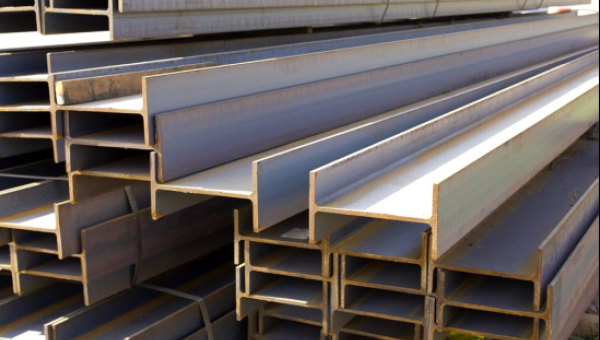
The American Fuel & Petrochemical Manufacturers (AFPM) has expressed concern about the impact that steel and aluminum tariffs would have on prices at the pump, infrastructure investment and jobs.
As Hurricane Florence approached the East Coast this week, nearly two million residents throughout the Carolinas, Maryland and Virginia were placed under evacuation watch.
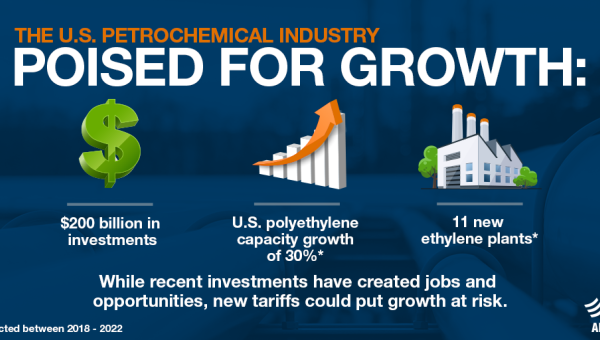
One of America’s major strengths when it comes to the economy and global trade is our petrochemical industry, which produces the building blocks used in manufacturing supply chains across the globe.
U.S. refineries are the most complex in the world, allowing them to extract more value out of each barrel of oil than any other refining system globally. This competitive edge is made possible by access to global markets.
The United States is the now largest producer of crude oil and has the largest, most complex and most efficient refining industry in the world. Yet two of our most important oil trading partners are those that share our borders: Canada and Mexico.
The cost of Renewable Fuel Standard (RFS) compliance credits, specifically D6 renewable identification numbers (RINs), is out of control. Sales of D6 RINs for conventional ethanol recently registered above $1.90 (the highest trades in history).
Refineries are not the story when it comes to retail gasoline prices. Raw materials (in this case crude oil) account for the biggest share of the final price consumers pay.