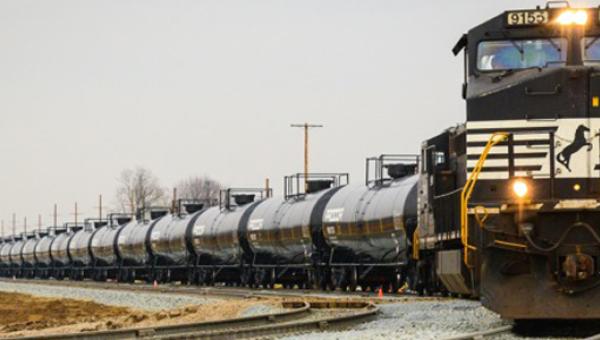
This week, the National Transportation Safety Board released its findings into the oil train derailment and fire that caused $1.2 million in damage in Lynchburg, Virginia almost two years ago on April 30, 2014 - and concluded that a broken rail was the probable cause of the accident.
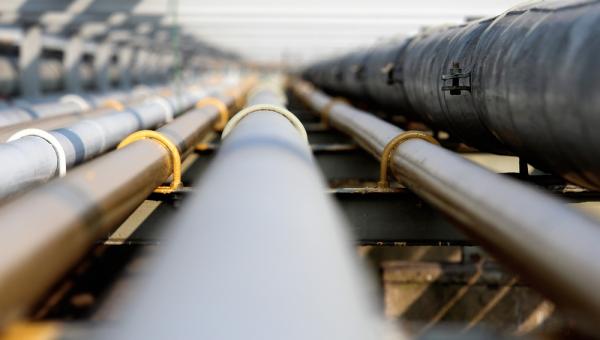
Increasing public interest in pipelines in recent months prompted us to speak with AFPM Senior Director of Petrochemicals, Transportation, and Infrastructure Rob Benedict to gain some insight into the hidden role of pipelines in our everyday lives.
As more states limit the size of gatherings and even consider shelter-in-place policies in response to COVID-19, AFPM is working to see that refineries and petrochemical facilities.
Last month Rob Benedict, senior director, petrochemicals, transportation and infrastructure at AFPM, spoke with Railway Age Editor-in-Chief William C. Vantuono regarding a host of current issues facing AFPM members and freight rail shippers across the United States.
The ultimate goal of safety policy is to reduce or even virtually eliminate risk, and policymakers and regulated industries continually face difficult decisions in working toward this objective.
WASHINGTON, D.C. – AFPM released this statement in response to the Council on Environmental Quality’s announcement of its final rule to update and modernize its National Environmental Policy Act (NEPA) regulations
WASHINGTON, D.C. – Today, the U.S. Department of Energy, Office of Fossil Energy and the U.S. Department of Transportation, Pipeline and Hazardous Materials Safety Administration formally submitted the Congressionally-mandated Sandia National Laboratories technical report on crude oil combustion properties to Congress.