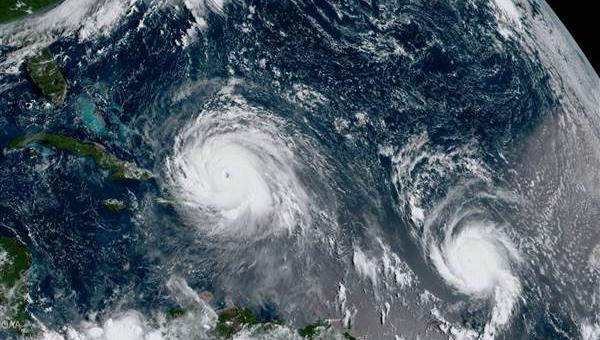
A duo of strong storms that swept through the United States has temporarily disrupted domestic fuel markets, but effective responses by the private and public sectors have limited the fallout from Hurricanes Harvey and Irma for Americans who need fuel critical for commerce.
The waiver to the Jones Act provided by the Department of Homeland Security is already proving helpful in the wake of Hurricanes Harvey and Irma, both of which affected important energy infrastructure...
*The op-ed below originally appeared in the Houston Chronicle on Monday, February 19, 2018 President Trump clinched a historic victory with tax reform. Now he needs to avoid making a historic mistake...
This Veterans Day, AFPM salutes all of the brave men and women that served our country in the military. If you want to thank veterans for their service and sacrifice, there is no better way than by hiring them.
Ethylene, a key building block in plastic and vital to our country’s manufacturing industry, has been thrust into the spotlight due to Hurricane Harvey’s impact on its production process.
Today kicks off National Infrastructure Week, which recognizes voices from industries spanning the U.S. economy, all of which will be advocating for increased investment into American infrastructure.
Alongside the publication of AFPM’s new study, “The Fuel & Petrochemical Supply Chains: Moving the Fuels & Products That Power Progress,” Flash Point interviewed leaders working on U.S. midstream infrastructure issues, including Sean Strawbridge, CEO of the Port of Corpus Christi.
As Hurricane Lane, currently a Category 2 storm, makes its way towards Hawaii, our priority today is supporting Par Pacific Holdings, which is temporarily shutting down its 93,500 barrel per day refinery in Kapolei, on the island of Oahu, to ensure the safety of workers, and the community and environment surrounding the facility.