AFPM opposes the Inflation Reduction Act as written. We evaluated the bill against our core principles, specifically whether the legislation would support strong U.S. refining and petrochemical industries and whether it pursued emissions reductions in a market-based and cost-effective manner. Unfortunately, the IRA falls short of these goals.
SPR releases cannot be the center of this Administration’s strategy to confront inflation and high energy prices. At best, SPR releases are a short-term fix, they are not a solution. Stability and certainty is what global crude oil markets crave.
Boyd Stephenson, senior vice president of government affairs and counsel at the National Tank Truck Carriers (NTTC), joins the podcast to discuss the trucking industry and US highway infrastructure.
AFPM President and CEO Chet Thompson this week submitted comments to leaders of the House Transportation & Infrastructure Committee after the Committee’s inaugural hearing on the state of U.S. transportation infrastructure and supply chains failed to include customer perspectives.
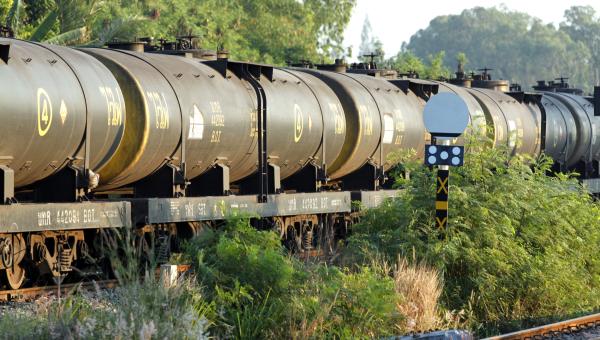
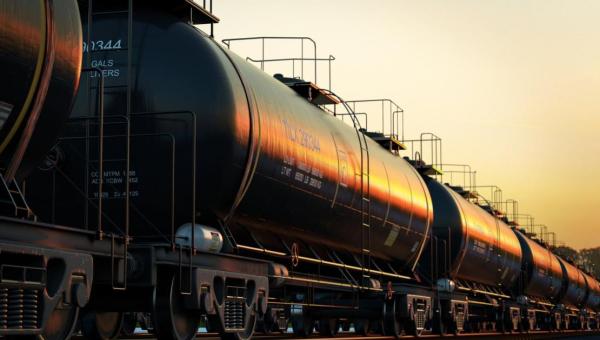
WASHINGTON, D.C – American Fuel & Petrochemical Manufacturers (AFPM) yesterday filed comments with the Surface Transportation Board (STB) in response to their proposed rule that would require railroads to report service metrics and require the use of reciprocal switching agreements to address insufficient rail service.
Today, Rob Benedict, AFPM Vice President of Petrochemicals and Midstream, issued the following statement in response to a unanimous proposal from the U.S. Surface Transportation Board that would allow for reciprocal switching within the U.S. freight rail system in order to address inadequate service.
Governor Gavin Newsom continues to blame fuel refiners for California’s highest-in-the-nation fuel prices. He couldn't be more wrong. The problem and solution to much of California’s fuel price challenge can be found in Sacramento policy. Take a look to better understand the role of policy in regional price differences, why it’s inaccurate to equate “margins” or “refinery cracks” with “profits,” and why windfall profit taxes are a known policy failure.
Restricting exports would be a major unforced error for the President, tightening global fuel supplies, throttling U.S. fuel production and increasing costs for American consumers. Likewise, imposing product inventory requirements boils down to siphoning gasoline and diesel into storage, and away from consumers.
Rob Benedict, AFPM’s Vice President of Midstream and Petrochemicals, issued the following statement after Congress passed, and President Biden signed, a resolution to avoid a nationwide rail strike.
Experts are predicting this year’s season to be similar to last or even a little less severe, with Colorado State University Tropical Forecast calling for 13 named storms, six hurricanes and two category 3 or higher hurricanes. And as they do every year, refining and petrochemical companies are doing their part to ensure they are prepared for every possible scenario and batting down the hatches, if you will.