Although President Obama’s controversial Clean Power Plan (CPP) has been debated at length for several months, its legal failings finally came under the microscope during oral argument in W Virginia et al. v EPA et al. in the DC Circuit Court of Appeals on September 27.
Coronavirus developments are front of mind for everyone, including the staff at AFPM. We took a moment to speak with Jeff Gunnulfsen, senior director, security and risk management, about industry preparedness for the pandemic.
WASHINGTON, D.C. – AFPM President and CEO Chet Thompson today issued the following statement in response to the Trump Administration’s decision not to appeal the 10th Circuit ruling that would effectively end the small refinery relief program established by Congress under the Renewable Fuel Standard.
WASHINGTON, D.C. – President Trump and Commerce Secretary Wilbur Ross are being urged by some to intervene in the energy market and limit refiners’ access to globally sourced crude.
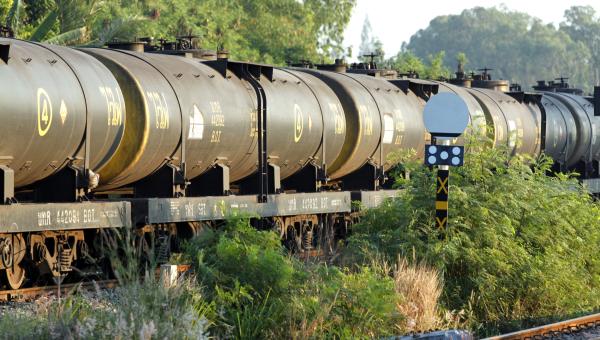
Last month Rob Benedict, senior director, petrochemicals, transportation and infrastructure at AFPM, spoke with Railway Age Editor-in-Chief William C. Vantuono regarding a host of current issues facing AFPM members and freight rail shippers across the United States.
Last night, the Governors of Texas, Wyoming, Oklahoma, and Utah joined the Governor of Louisiana in requesting that EPA exercise its general waiver authority to reduce Renewable Fuel Standard obligations to prevent severe economic harm to their states.
Last week the Energy Information Administration (EIA) released its latest alternative energy update. Wind and solar power continue to lead this energy mix.
WASHINGTON, D.C. – AFPM President and CEO Chet Thompson issued the following statement on the agreement finalized today to end the OPEC+ oil price war.
The American Fuel & Petrochemical Manufacturers (AFPM) and American Petroleum Institute (API) sent a new letter to President Trump urging him not to listen to “misinformation and misguided policies” from the ethanol lobby that will result in lost jobs in refining communities and higher gasoline prices for consumers.