COVID-19 upended energy markets. Demand disappeared and producers scaled back. Now that economies are reopening, and the demand for goods and services is rebounding, the demand for energy all along the supply chain is increasing, driving up not only the cost of the feedstocks and fuels refineries and petrochemical manufacturers use, but also the cost of the energy used at every step of the supply chain.
Three-quarters of the way through an unprecedented year marked by a pandemic, an economic downturn and market volatility — and with a historic election just days away — we sat down with AFPM Chief...
WASHINGTON, D.C. – Members in the House and Senate, led by Sen. John Cornyn and Rep. Vicente Gonzalez, sent a letter this week to President Trump urging him to address issues of unfair market access for U.S. energy companies doing business in Mexico. Chet Thompson, President and CEO of AFPM, echoed these calls with the following statement.
A recently released U.S. intelligence report on Russia’s efforts to influence the presidential election cited “clear evidence that the Kremlin is financing and choreographing anti-fracking propaganda...
The Line 5 pipeline plays a critical role in ensuring the United States and Canada continue to have access to affordable fuels, propane and other refined products. Union, political and business leaders on both sides of the border are emphasizing the critical role of the Line 5 pipeline and calling for it to remain open until its replacement can be completed:
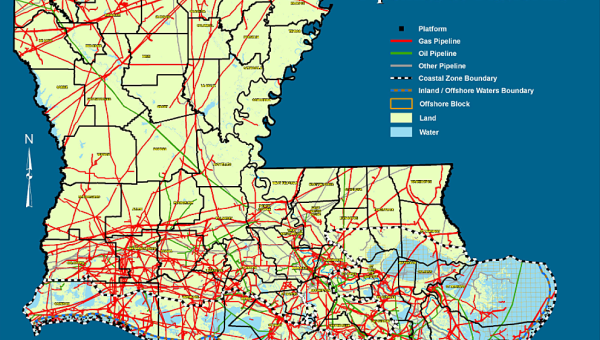
OK, all you anti-pipeline activists, it’s time for a pop quiz: Can you identify on the map below where the proposed Bayou Bridge pipeline will be built? How about if we narrow it down to a map of just...
WASHINGTON, D.C. – "Federal policy is discouraging supply by shutting down pipelines, putting future production off limits, talking down the future of the petroleum business, and imposing expensive requirements on refineries, chief among them a burdensome Renewable Fuel Standard. The Administration is blaming others when it ought to take a sober look at its own energy policy."
This week, AFPM joined API and industry associations representing fuel retailers, gasoline marketers, convenience stores and tank truck carriers to field questions from the media about the ongoing fuel distribution challenges resulting from the Colonial Pipeline shutdown.