WASHINGTON, D.C. – AFPM President and CEO Chet Thompson today issued the following statement in response to the Trump Administration’s decision not to appeal the 10th Circuit ruling that would effectively end the small refinery relief program established by Congress under the Renewable Fuel Standard.
WASHINGTON, D.C. – President Trump and Commerce Secretary Wilbur Ross are being urged by some to intervene in the energy market and limit refiners’ access to globally sourced crude.
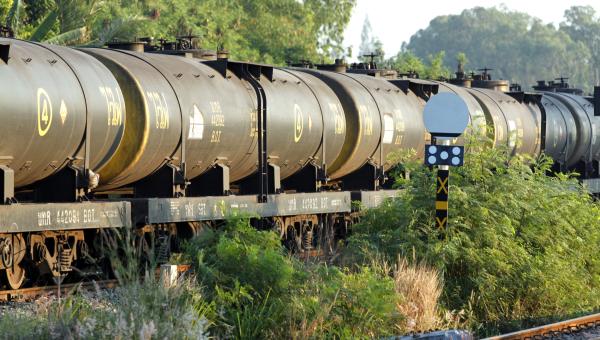
Last month Rob Benedict, senior director, petrochemicals, transportation and infrastructure at AFPM, spoke with Railway Age Editor-in-Chief William C. Vantuono regarding a host of current issues facing AFPM members and freight rail shippers across the United States.
Last night, the Governors of Texas, Wyoming, Oklahoma, and Utah joined the Governor of Louisiana in requesting that EPA exercise its general waiver authority to reduce Renewable Fuel Standard obligations to prevent severe economic harm to their states.
WASHINGTON, D.C. – AFPM President and CEO Chet Thompson issued the following statement on the agreement finalized today to end the OPEC+ oil price war.
The American Fuel & Petrochemical Manufacturers (AFPM) and American Petroleum Institute (API) sent a new letter to President Trump urging him not to listen to “misinformation and misguided policies” from the ethanol lobby that will result in lost jobs in refining communities and higher gasoline prices for consumers.
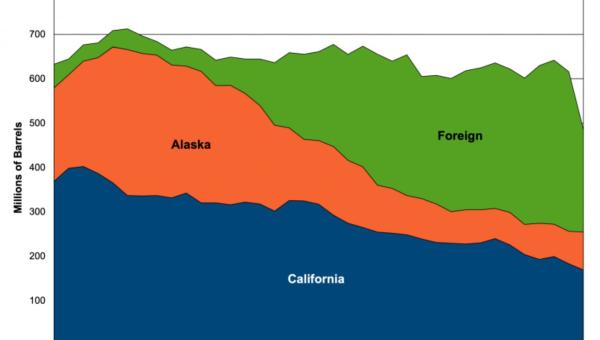
Limiting California’s access to the exact types of crude oil its facilities need will only increase prices for the state’s consumers and travelers. Drivers are already dealing with gasoline prices in excess of $5 per gallon and the highest fuel taxes of the 50 states. Confining energy producers and consumers to a smaller pool of crude oil will make a very sensitive price environment that much worse.
The unprecedented disaster wrought by Hurricane Harvey has the safety of friends, family, colleagues and communities along the Gulf Coast weighing heavy on our minds and hearts.
Fuel supply restrictions resulting from hurricanes and other natural disasters, often lead to price increases as the market reacts to rebalance supply and demand. To protect consumers, many states have enacted price gouging laws that limit a merchant’s ability to raise prices during an emergency.
A central theme running through the “Better Deal” economic policy agenda that the Democratic Party rolled out this week is the importance of creating—and protecting—good-paying jobs – jobs that will help boost middle-class incomes and create new economic opportunities nationwide.