As we head into the Memorial Day weekend, a lot of attention is being paid to the price of gasoline. This is no surprise since over 36 million travelers are expected to hit the roads across the country this weekend - at a time when prices for the crude oil used to make fuels are climbing.
The renegotiation of the North American Free Trade Agreement (NAFTA) provides an important opportunity to preserve and strengthen NAFTA’s investor protections, specifically the investor-state dispute settlement (ISDS) mechanism.
Alongside the publication of AFPM’s new study, “The Fuel & Petrochemical Supply Chains: Moving the Fuels & Products That Power Progress,” Flash Point interviewed leaders working on U.S. midstream infrastructure issues, including Sean Strawbridge, CEO of the Port of Corpus Christi.
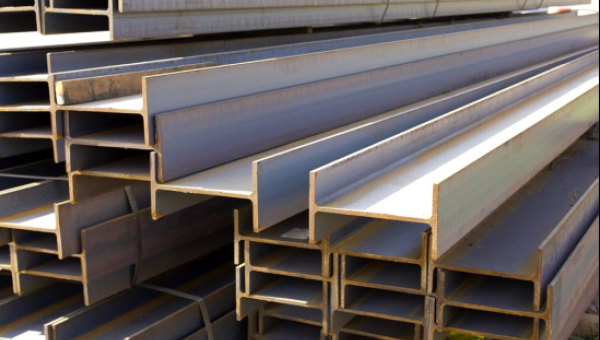
The American Fuel & Petrochemical Manufacturers (AFPM) has expressed concern about the impact that steel and aluminum tariffs would have on prices at the pump, infrastructure investment and jobs.
Every day, AFPM members make products that improve our lives and contribute to human progress — including fuels like gasoline, diesel and jet fuel that facilitate access to vital health services, and petrochemicals used as building blocks to create healthcare equipment, devices and technologies.
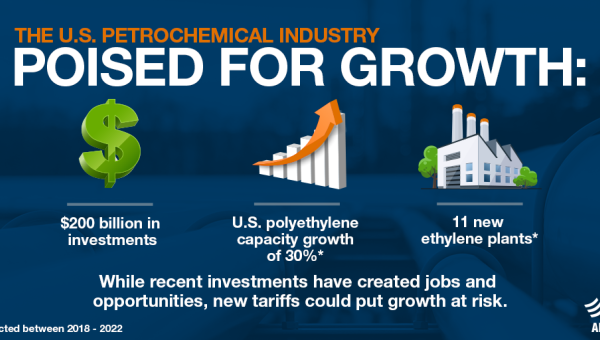
One of America’s major strengths when it comes to the economy and global trade is our petrochemical industry, which produces the building blocks used in manufacturing supply chains across the globe.
Current fuel at the pump contains 10 percent ethanol because Congress passed a law mandating ethanol use. Some are pushing for a higher proportion of 85 percent, known as E85.
U.S. refineries are the most complex in the world, allowing them to extract more value out of each barrel of oil than any other refining system globally. This competitive edge is made possible by access to global markets.