AFPM’s online Safety Portal serves as the hub for all Occupational and Process Safety programs. Access to the Safety Portal is available to all member operating companies who have a signed Corporate User Agreement with AFPM.
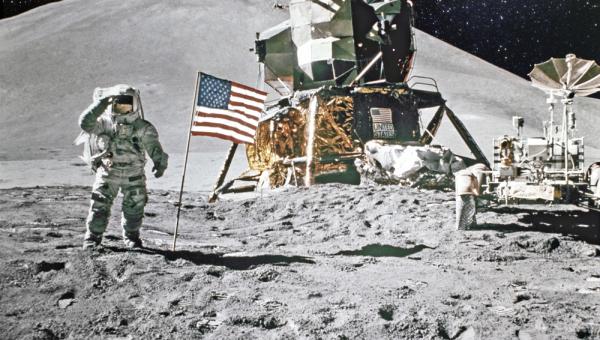
Preface: So, I was asked if we can somehow tie Moon Day with petrochemicals. I said that I’m pretty sure space suits are made from synthetic materials, so that’s a pretty good tie-in.
Narratives that pit the refining and petrochemical industries against electric vehicles (EVs) ignore the symbiotic relationship of these industries. If you review the history of EVs – you will see that refining and petrochemical companies have been foundational to the EV market all along and will continue to be far into the future.
If you read the headlines in the news lately — “Greenhouse Gas Emissions From Plastics Are Predicted to Rise,” “New Texas petrochemical projects add millions of tons of greenhouse gas pollution, report finds” — you’d think emissions from the petrochemical industry were getting worse.
Our members continuously look for opportunities to enhance safety and recognize that an effective way to improve process safety performance throughout the industry is to learn from one other. Advancing Process Safety is a collection of programs that provide the industry with more frequent and effective opportunities to share experiences and knowledge.
AFPM collects occupational injury and illness data from all regular member refining and petrochemical sites in the U.S. annually. The information collected is from the OSHA 300A Summary Log for both company employees and contractors (contractor aggregate). This data is used to compile the AFPM Survey of Occupational Injuries & Illnesses (I&I Survey). Sites that submit data may be eligible for AFPM Safety Awards.
WASHINGTON, D.C. – The American Fuel & Petrochemical Manufacturers (AFPM) filed comments on the U.S. Environmental Protection Agency’s proposed amendments to the Risk Management Program (RMP) of the Clean Air Act asking it to withdraw the proposal.