WASHINGTON, D.C. – AFPM appreciates the quick action taken by Administrator Regan and EPA staff to formally extend Renewable Fuel Standard compliance deadlines. In this moment, with surging RIN prices and slowly recovering fuel demand, refineries welcome this extra time and the flexibility it affords them to figure out how they will fulfill their individual RIN obligations.
WASHINGTON, D.C. - This is a poorly devised bill that runs contrary to its purported purpose of improving the global environment. Banning the export of U.S. manufactured petrochemicals and polymers is shortsighted and will negatively impact global supply chains for essential materials and products.
Reducing emissions from the transportation sector is a focal point o many strategies to address climate change.iAnd within transportation, heavy freight poses a specific challenge.
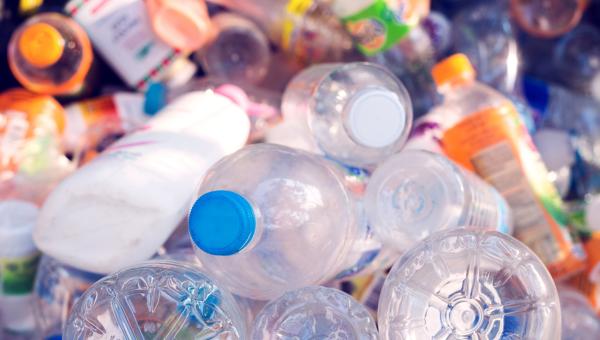
In 2019, Chevron Phillips Chemical (CPChem)’s Sustainability Technical Manager Ron Abbott was given a seemingly insurmountable challenge: by 2020, make CPChem the first company in the U.S. to announce commercial production of a circular polymer made by converting plastic waste into the chemical building blocks for new plastic. A cross-functional team was launched and started chipping away at the goal.
WASHINGTON, D.C. – This is a commonsense administration decision. We’re still waiting for EPA to make a call on 2019 and 2020 relief petitions and there remains no 2021 or 2022 proposals, much less final rules, from the Agency to guide business decisions for refineries. We all know RIN scarcity is real and clarity about future obligations is needed in order for facilities to align around their individual compliance strategies.
A new campaign from the American Fuel & Petrochemical Manufacturers (AFPM) spotlights the surging costs and unprecedented impact of biofuel mandates on U.S. refineries and the need for immediate action to get RFS costs under control.
In 2015, after years of building a collection of over 600 pipeline real-world “test specimens” to be used for advanced pipeline safety research, the Pipeline Research Council International (PRCI) opened the Technology Development Center (TDC) in Houston, Texas.
It’s an often-overlooked fact that pipelines are the safest way to transport crude oil, natural gas liquids, petrochemicals and refined products on land.