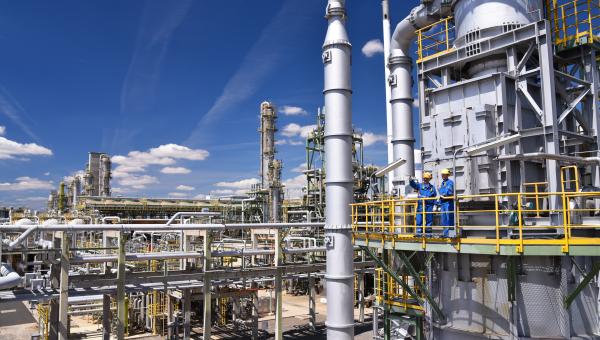
It’s been two and a half years since Congress granted the Department of Homeland Security’s Chemical Facility Anti-Terrorism Standards (CFATS) program long-term authorization.
The Federal Aviation Administration (FAA) predicts there may be over five million total drones flying the national airspace by 2020. On one hand, this is great news: drones present significant...
In the USA, Friday, May 25 will be the start of the Memorial Day weekend. Traffic, BBQ’s, opening of swimming pools, remembrances, and other events will highlight the weekend.
A 15-year rise in U.S. exports of refined products continued in 2019 with our nation exporting more than ever, underscoring the importance of these products to fueling a growing world.
In today’s world of cyber attacks against companies, the idea of sharing information between companies on cyber developments and incidents is becoming more critical.
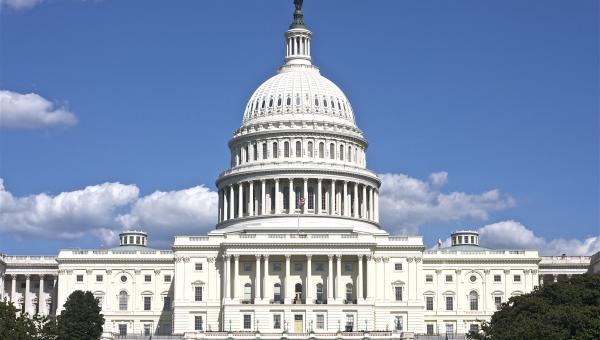
WASHINGTON, D.C. – AFPM President and CEO Chet Thompson released the following statement on the rioting that took place at the U.S. Capitol on January 6, 2021.
As I write this in the early afternoon of Monday, May 15, I just finished reading the latest bulletin from DHS on WannaCry, the ransomware virus that has become a lead news story since the weekend.
This week, AFPM joined API and industry associations representing fuel retailers, gasoline marketers, convenience stores and tank truck carriers to field questions from the media about the ongoing fuel distribution challenges resulting from the Colonial Pipeline shutdown.
In late July, Congress allowed a valuable program that enhances security at chemical facilities across the country to expire. The program is called the Chemical Facility Anti-Terrorism Standards (CFATS), and its primary mission is to protect chemical facilities from potential terror threats by addressing a wide range of possible vulnerabilities, including cyberattacks.