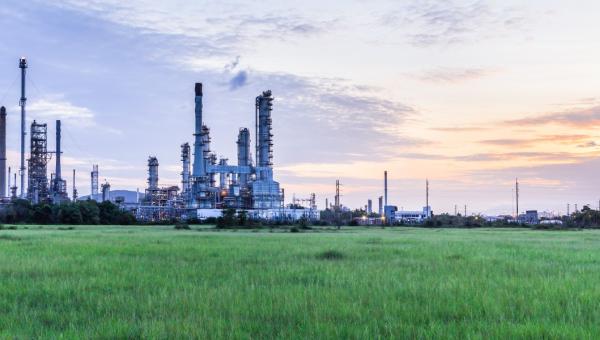
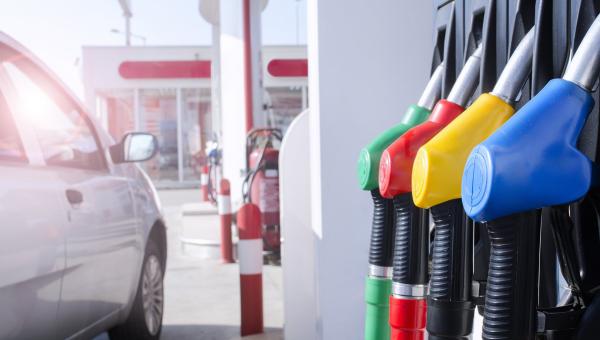
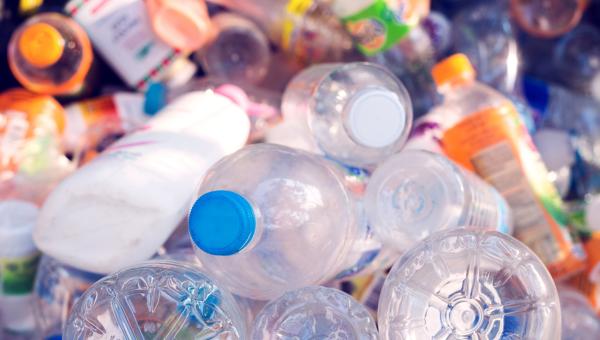
A 15-year rise in U.S. exports of refined products continued in 2019 with our nation exporting more than ever, underscoring the importance of these products to fueling a growing world.
In today’s world of cyber attacks against companies, the idea of sharing information between companies on cyber developments and incidents is becoming more critical.
A nationwide 95 RON octane standard for vehicles can deliver major carbon reductions in the nation’s light-duty auto fleet faster and at a lower cost than any other proposal being considered by policymakers right now, especially policies seeking to force nationwide vehicle electrification.
As I write this in the early afternoon of Monday, May 15, I just finished reading the latest bulletin from DHS on WannaCry, the ransomware virus that has become a lead news story since the weekend.
Vehicle efficiency is not a partisan issue. Every driver wants cleaner, more efficient cars and trucks. They also want them to be affordable, safe and family friendly. Fuel-powered internal combustion engine vehicles offer a range of options that satisfy these criteria, and they’re getting better every year.
Dramatic predictions and commentaries about the potential impact of the COVID-19 pandemic on the future of the fuel and petrochemical industries have made headlines.
WASHINGTON, D.C. - This is a poorly devised bill that runs contrary to its purported purpose of improving the global environment. Banning the export of U.S. manufactured petrochemicals and polymers is shortsighted and will negatively impact global supply chains for essential materials and products.
In 2019, Chevron Phillips Chemical (CPChem)’s Sustainability Technical Manager Ron Abbott was given a seemingly insurmountable challenge: by 2020, make CPChem the first company in the U.S. to announce commercial production of a circular polymer made by converting plastic waste into the chemical building blocks for new plastic. A cross-functional team was launched and started chipping away at the goal.