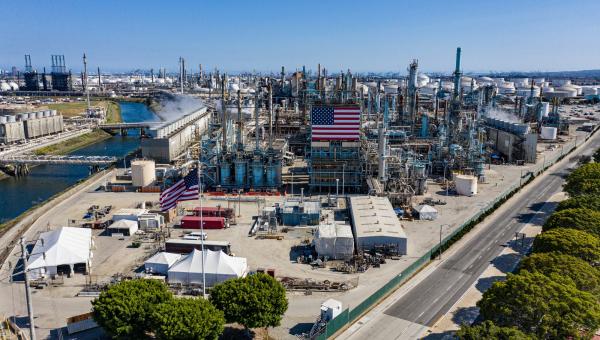
The temporary enforcement policy announced by the Environmental Protection Agency (EPA) triggered criticism about some in the oil and gas industry getting a “license to pollute” during a public health emergency.
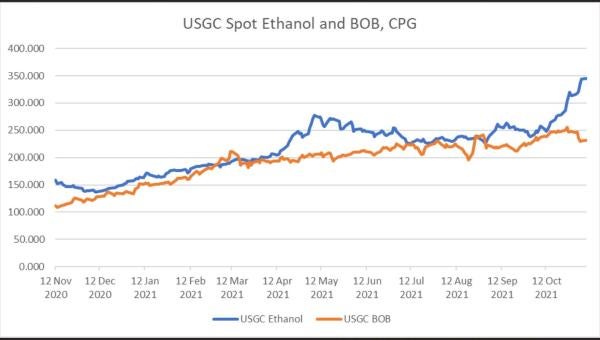
If the Biden Administration is serious about helping consumers, it needs to adopt policies that promote U.S. energy production and refining. A good place to start would be right-sizing RFS mandates.
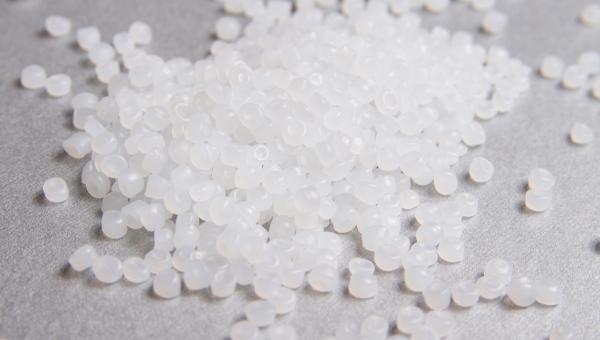
U.S. petrochemical manufacturers are at the forefront of research and development into cutting-edge solutions to give new life to used plastic products. Leveraging their in-depth understanding of plastics’ molecular composition and the manufacturing process itself, AFPM members are investing in recycling technology, infrastructure and partnerships that will reduce mismanaged plastic waste by applying unlocking its value as a feedstock.
With recent plastic waste legislation from New York and New Jersey making headlines, we sat down with AFPM Senior Director of Petrochemicals, Transportation and Infrastructure Rob Benedict to discuss the petrochemical industry’s role in reducing plastic waste, new technological breakthroughs and how AFPM analyzes plastic waste policy proposals.
In 2019, Chevron Phillips Chemical (CPChem)’s Sustainability Technical Manager Ron Abbott was given a seemingly insurmountable challenge: by 2020, make CPChem the first company in the U.S. to announce commercial production of a circular polymer made by converting plastic waste into the chemical building blocks for new plastic. A cross-functional team was launched and started chipping away at the goal.
WASHINGTON, D.C. – "Federal policy is discouraging supply by shutting down pipelines, putting future production off limits, talking down the future of the petroleum business, and imposing expensive requirements on refineries, chief among them a burdensome Renewable Fuel Standard. The Administration is blaming others when it ought to take a sober look at its own energy policy."
WASHINGTON, D.C. – This decision by the Canadian government to designate plastic manufactured items as “toxic” is unwarranted and not based in science.
AFPM President and CEO Chet Thompson and API President and CEO Mike Sommers sent a letter to President Biden responding to recent letters the Administration sent to major U.S. fuel refiners suggesting that these companies, their workforces and facilities throughout the country aren’t doing their part to bring fuel to the market and lower energy costs for consumers.
We are surprised and disappointed by the President’s letter. Any suggestion that U.S. refiners are not doing our part to bring stability to the market is false. We would encourage the Administration to look inward to better understand the role their policies and hostile rhetoric have played in the current environment.