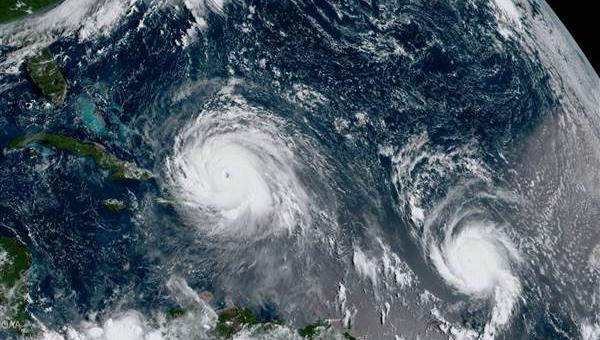
The waiver to the Jones Act provided by the Department of Homeland Security is already proving helpful in the wake of Hurricanes Harvey and Irma, both of which affected important energy infrastructure...
Restricting exports would be a major unforced error for the President, tightening global fuel supplies, throttling U.S. fuel production and increasing costs for American consumers. Likewise, imposing product inventory requirements boils down to siphoning gasoline and diesel into storage, and away from consumers.
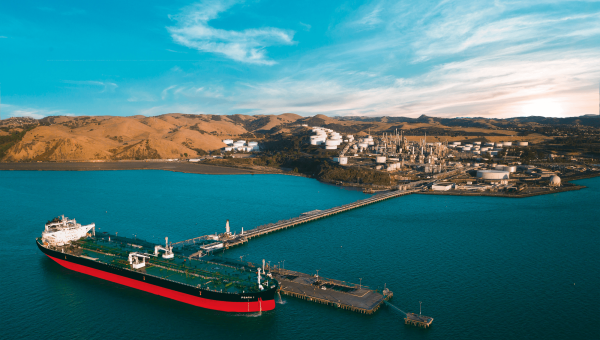
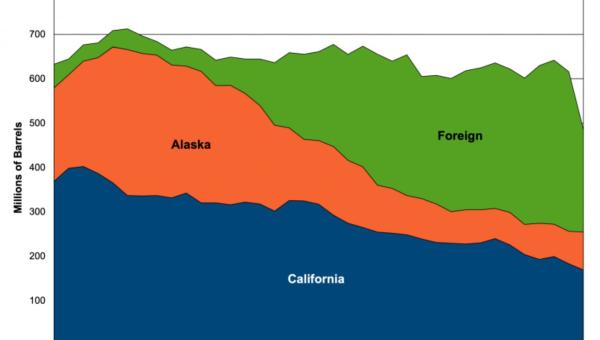
Limiting California’s access to the exact types of crude oil its facilities need will only increase prices for the state’s consumers and travelers. Drivers are already dealing with gasoline prices in excess of $5 per gallon and the highest fuel taxes of the 50 states. Confining energy producers and consumers to a smaller pool of crude oil will make a very sensitive price environment that much worse.
American manufacturing has seen its fair share of challenges in what has been a transformational year economically, thanks in part to a protracted trade war and the global pandemic.
WASHINGTON, D.C. – Congress yesterday passed the Protecting our Infrastructure of Pipelines and Enhancing Safety (PIPES) Act of 2020 through its passage of the December Omnibus spending bill.
WASHINGTON, D.C. — American Fuel & Petrochemical Manufacturers (AFPM) President and CEO Chet Thompson issued the following statement on H.R. 3898, the Promoting Efficient Review for Modern Infrastructure Today (PERMIT) Act, up for consideration this week in the House of Representatives.
WASHINGTON, D.C. — American Fuel & Petrochemical Manufacturers (AFPM) President and CEO Chet Thompson issued the following statement on H.R. 4776, the Standardizing Permitting & Expediting Economic Development (SPEED) Act, up for consideration this week in the House of Representatives.
AFPM opposes the Inflation Reduction Act as written. We evaluated the bill against our core principles, specifically whether the legislation would support strong U.S. refining and petrochemical industries and whether it pursued emissions reductions in a market-based and cost-effective manner. Unfortunately, the IRA falls short of these goals.
A duo of strong storms that swept through the United States has temporarily disrupted domestic fuel markets, but effective responses by the private and public sectors have limited the fallout from Hurricanes Harvey and Irma for Americans who need fuel critical for commerce.
In 2015, after years of building a collection of over 600 pipeline real-world “test specimens” to be used for advanced pipeline safety research, the Pipeline Research Council International (PRCI) opened the Technology Development Center (TDC) in Houston, Texas.