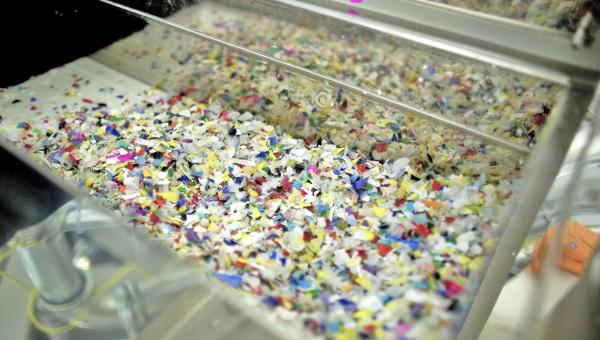
An engineer scoops a handful of tiny pellets out of a stainless-steel canister at a manufacturing plant in the Netherlands and rolls them around in his hand.
Many waste items provide important value before being tossed into a bin. Discarded plastic products, for example, originally serve as packaging to keep school lunches fresh, lightweight bottles for efficiently transporting fresh water to hard-to-reach areas, containers for soaps and detergents that facilitate hygiene – and much more.
Drones are cutting edge technology that have received an uptick in attention over the last couple of years—gaining notoriety despite their beneficial commercial and recreational uses.
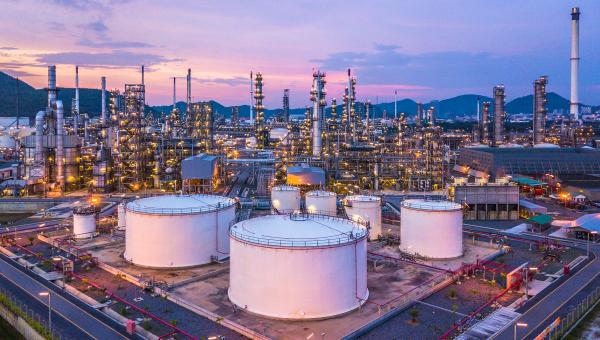
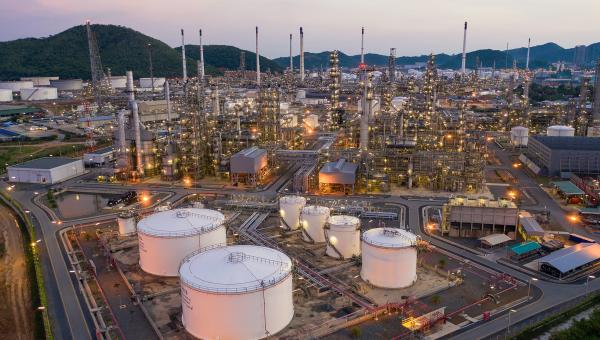
As more states limit the size of gatherings and even consider shelter-in-place policies in response to COVID-19, AFPM is working to see that refineries and petrochemical facilities.
U.S. fuel and petrochemical manufacturers are committed to doing their part to limit the spread of COVID-19 while maintaining the core services and functions our nation requires daily.
Navigating our current health crisis offers frequent reminders of the critical role petrochemicals, particularly plastics, play in daily life — whether in the masks and gloves that protect our frontline health care providers, the containers that hold our takeout food, or the wrapping that keeps our groceries fresh and clean.
WASHINGTON, D.C. – AFPM released the following statement today in response to the President signing into the law the reauthorization of the Chemical Facility Anti-Terrorism Standards program.