The Federal Aviation Administration (FAA) predicts there may be over five million total drones flying the national airspace by 2020. On one hand, this is great news: drones present significant...
WASHINGTON, D.C. – AFPM President and CEO Chet Thompson released the following statement on the rioting that took place at the U.S. Capitol on January 6, 2021.
A nationwide 95 RON octane standard for vehicles can deliver major carbon reductions in the nation’s light-duty auto fleet faster and at a lower cost than any other proposal being considered by policymakers right now, especially policies seeking to force nationwide vehicle electrification.
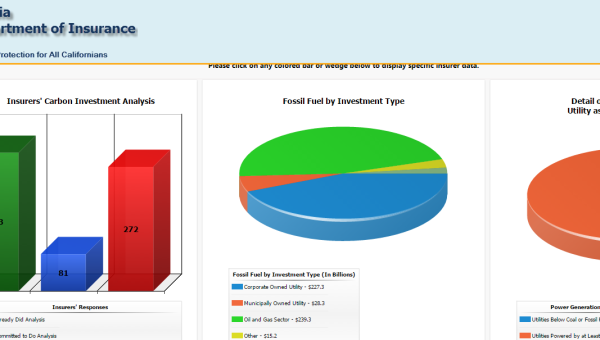
Last week, California Insurance Commissioner Dave Jones launched the latest salvo in his relentless crusade to coerce the nation’s leading insurance companies to divest from oil and natural gas company holdings.
The official beginning of the Atlantic hurricane season usually begins on June 1, but the National Hurricane Center moved it up to May 15 with the formation of an early tropical storm in the Atlantic in the first half of the month.
The California Air Resources Board (CARB) adopted its Advanced Clean Cars II (ACCII) regulation. ACCII requires 35% of light-duty vehicle sales to qualify as “zero emission” by 2026 and 100% by 2035. Essentially, this amounts to a ban on new sales of traditional gasoline and diesel-powered cars and trucks. To implement the policy, California will need a Clean Air Act waiver from the Environmental Protection Agency (EPA). If EPA grants the waiver, millions of Americans—including many outside of California—could lose the option to buy the car or truck THEY want.
AFPM opposes the Inflation Reduction Act as written. We evaluated the bill against our core principles, specifically whether the legislation would support strong U.S. refining and petrochemical industries and whether it pursued emissions reductions in a market-based and cost-effective manner. Unfortunately, the IRA falls short of these goals.
AFPM's Laura Berkey-Ames discusses all things drones, from their uses in the fuel and petrochemical industries, to risks and security issues, to AFPM's legislative priorities.
Jessica Falcon, Branch Chief for Compliance at the Infrastructure Security Compliance Division and Josiah Hortega, Acting Deputy Director of the Infrastructure Security Compliance Division of the Department of Homeland Security discuss CFATS.