In today’s world of cyber attacks against companies, the idea of sharing information between companies on cyber developments and incidents is becoming more critical.
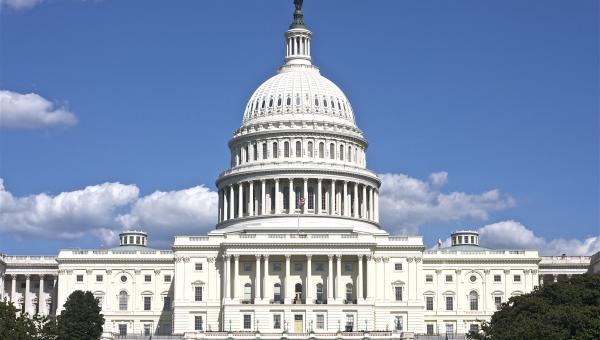
WASHINGTON, D.C. – AFPM President and CEO Chet Thompson released the following statement on the rioting that took place at the U.S. Capitol on January 6, 2021.
As I write this in the early afternoon of Monday, May 15, I just finished reading the latest bulletin from DHS on WannaCry, the ransomware virus that has become a lead news story since the weekend.
This week, AFPM joined API and industry associations representing fuel retailers, gasoline marketers, convenience stores and tank truck carriers to field questions from the media about the ongoing fuel distribution challenges resulting from the Colonial Pipeline shutdown.
The official beginning of the Atlantic hurricane season usually begins on June 1, but the National Hurricane Center moved it up to May 15 with the formation of an early tropical storm in the Atlantic in the first half of the month.
AFPM's Laura Berkey-Ames discusses all things drones, from their uses in the fuel and petrochemical industries, to risks and security issues, to AFPM's legislative priorities.
Jessica Falcon, Branch Chief for Compliance at the Infrastructure Security Compliance Division and Josiah Hortega, Acting Deputy Director of the Infrastructure Security Compliance Division of the Department of Homeland Security discuss CFATS.
In late July, Congress allowed a valuable program that enhances security at chemical facilities across the country to expire. The program is called the Chemical Facility Anti-Terrorism Standards (CFATS), and its primary mission is to protect chemical facilities from potential terror threats by addressing a wide range of possible vulnerabilities, including cyberattacks.