Ethylene, a key building block in plastic and vital to our country’s manufacturing industry, has been thrust into the spotlight due to Hurricane Harvey’s impact on its production process.
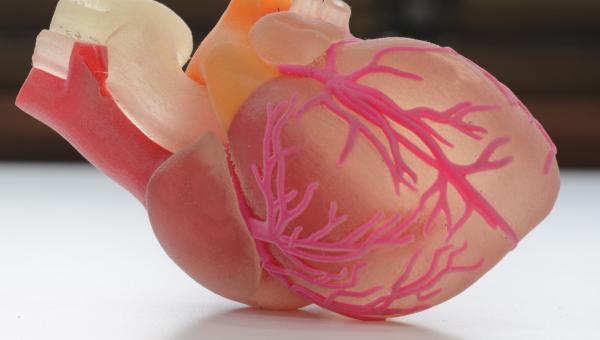
In a health care revolution, the Cardiac 3D Print Lab at Phoenix Children’s Hospital is making model organs out of plastics to help save children’s lives.
Athletes gathering for the winter Paralympics in South Korea this month are remarkable examples of how people overcome challenges – and new technologies are increasingly helping these impressive athletes push their limits by doing more, going faster or going farther.
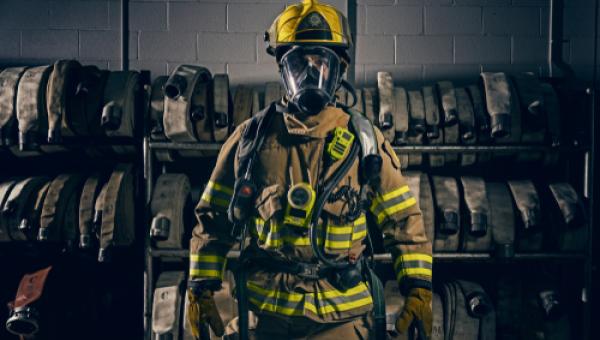
Dan’s legs – and his life – were saved, thanks to the fellow firefighters that pulled him out of danger and his personal protective equipment (PPE), also known as turnout gear, gear that’s made possible by petrochemicals.
In the days before stain-resistant carpets and upholstery, keeping muddy dogs and kids’ shoes off the furniture and out of the living room was a full-time job.
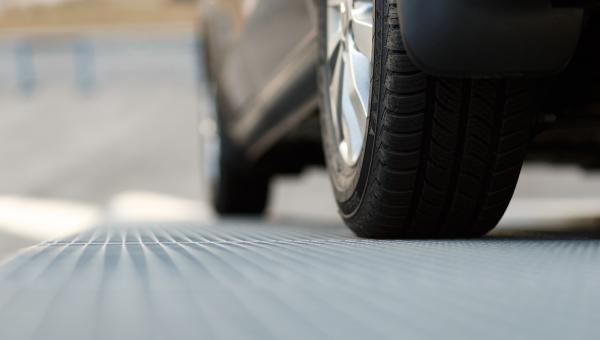
As research continues to yield breakthroughs in modern transportation, the evidence clearly shows that petrochemicals are integral to the future of travel.
Every day, AFPM members make products that improve our lives and contribute to human progress — including fuels like gasoline, diesel and jet fuel that facilitate access to vital health services, and petrochemicals used as building blocks to create healthcare equipment, devices and technologies.
Advances in petrochemicals – which are already helping transform medical science – are creating a new, more efficient and more cost-effective way to remove salt from ocean water.
As the Energy Information Administration pointed out in a recent update, alternative energy is growing - and wind and solar continue to lead that mix. This rising (although still tiny) growth rate is...