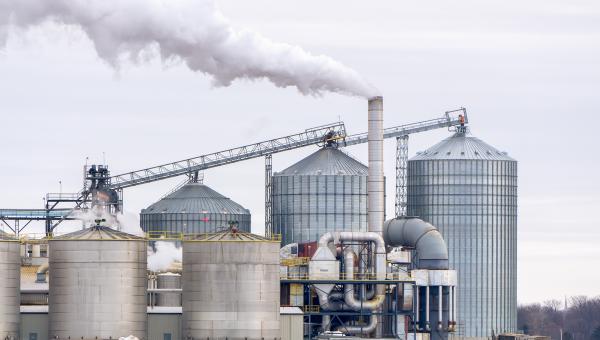
Back in 2005, the Renewable Fuel Standard and its corn ethanol mandate were sold to the American public on three key themes: rising gasoline use, foreign oil dependency, and environmental stewardship...
WASHINGTON, D.C. – A bipartisan group of governors from Texas, Louisiana, Oklahoma, Utah, and Wyoming have petitioned EPA Administrator Andrew Wheeler to exercise his agency’s general waiver authority to waive Renewable Fuel Standard (RFS) compliance burdens for the year 2020 due to the experience of severe economic hardship throughout the refining industry and nationally amid COVID-19.
Last night, the Governors of Texas, Wyoming, Oklahoma, and Utah joined the Governor of Louisiana in requesting that EPA exercise its general waiver authority to reduce Renewable Fuel Standard obligations to prevent severe economic harm to their states.
Alarm bells have been ringing recently at the Renewable Fuels Association (RFA), and its latest response was to write to both the Environmental Protection Agency (EPA) and the Commodity Futures Trading Commission, alleging that obligated parties (such as refiners) are behind the recent spike in RIN prices.
The biofuel industry, facing poor margins due to overproduction and declining exports, is trying various tactics to force more ethanol and biodiesel into the U.S. fuel supply.
The chief executives of Valero Energy Corporation, Marathon Petroleum Corporation and Flint Hills Resources sent a letter to President Trump yesterday urging him to avoid actions that would worsen the impacts of federal biofuel policies on U.S. refiners.
The American Fuel & Petrochemical Manufacturers (AFPM) and American Petroleum Institute (API) sent a new letter to President Trump urging him not to listen to “misinformation and misguided policies” from the ethanol lobby that will result in lost jobs in refining communities and higher gasoline prices for consumers.
A major labor union — the International Brotherhood of Boilermakers — is urging President Trump not to put union jobs at risk by increasing federal biofuel blending obligations for refiners.
In a new editorial, The Wall Street Journal sounds off on the recent politicking by the ethanol industry that stands to harm U.S. refiners — with no benefit to U.S. farmers.