As American manufacturers champion their contributions to economic competitiveness and product innovation today, the industry has yet another reason to celebrate – U.S. manufacturing employment is still on the rise.
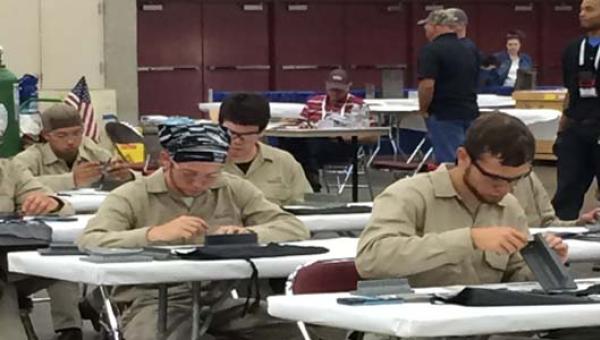
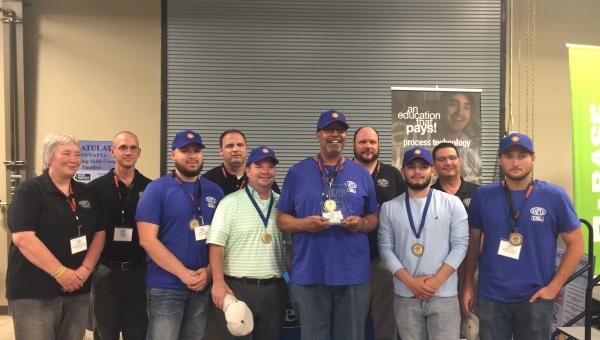
One of the most significant challenges facing the fuel and petrochemical industries is finding the next generation of craft professionals ranging from electricians to millwrights to everything in between.
In today’s world of cyber attacks against companies, the idea of sharing information between companies on cyber developments and incidents is becoming more critical.
It was 2010 and Jerry Wascom, ExxonMobil’s Americas refining director, was worried. Despite fuel and petrochemical manufacturers making significant improvements in the safety of their individual operations, across the industries there was an uptick in serious incidents. Workers were getting injured, surrounding communities were losing confidence, the reputation of the industries was being tarnished and regulators were becoming increasingly engaged. Wascom turned to his counterparts within the American Fuel and Petrochemical Manufacturers Association (AFPM), the industry trade group, and asked, “Are we doing enough to protect people?”
As I write this in the early afternoon of Monday, May 15, I just finished reading the latest bulletin from DHS on WannaCry, the ransomware virus that has become a lead news story since the weekend.
Before the pandemic hit, the nation’s manufacturing sector — including the refining and petrochemical industries — was wrestling with how to find and train enough young people to replace the wave of Baby Boomers retiring from the workforce at a rate of nearly 6,000 per day.