The temporary enforcement policy announced by the Environmental Protection Agency (EPA) triggered criticism about some in the oil and gas industry getting a “license to pollute” during a public health emergency.
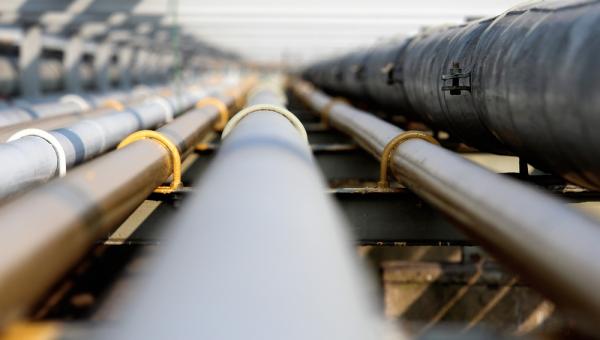
Increasing public interest in pipelines in recent months prompted us to speak with AFPM Senior Director of Petrochemicals, Transportation, and Infrastructure Rob Benedict to gain some insight into the hidden role of pipelines in our everyday lives.
Nothing is more important than the health and safety of our people and our communities—the communities where our employees live, work and go to school.
One of the societal byproducts of the COVID-19 pandemic has been an increased emphasis on technology to meet changing needs, and the fuel and petrochemical industries are no exception to that trend.
WASHINGTON, D.C. – AFPM released this statement in response to the Council on Environmental Quality’s announcement of its final rule to update and modernize its National Environmental Policy Act (NEPA) regulations
In advance of the AFPM Summit, AFPM Vice President of Technical and Safety Programs Lara Swett and Technical Operations Program Leader Alyse Keller talk about one of AFPM’s premier safety programs, Walk the Line.
The chief legal officers of seven states — Louisiana, Texas, Oklahoma, Utah, Arkansas, Oklahoma and Wyoming — added their names and states to the list of those urging EPA to issue a waiver of 2020 Renewable Fuel Standard (RFS) compliance burdens.
WASHINGTON, D.C. – A joint statement by AFPM and other groups on the House Committee on Transportation & Infrastructure’s passage of the Water Resources Development Act of 2020.