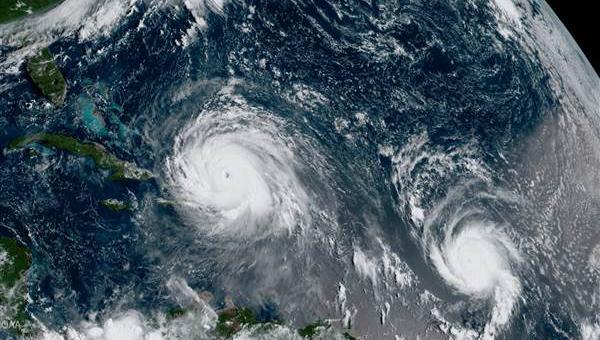
The waiver to the Jones Act provided by the Department of Homeland Security is already proving helpful in the wake of Hurricanes Harvey and Irma, both of which affected important energy infrastructure...
This week, AFPM joined API and industry associations representing fuel retailers, gasoline marketers, convenience stores and tank truck carriers to field questions from the media about the ongoing fuel distribution challenges resulting from the Colonial Pipeline shutdown.
WASHINGTON, D.C. - This is a poorly devised bill that runs contrary to its purported purpose of improving the global environment. Banning the export of U.S. manufactured petrochemicals and polymers is shortsighted and will negatively impact global supply chains for essential materials and products.
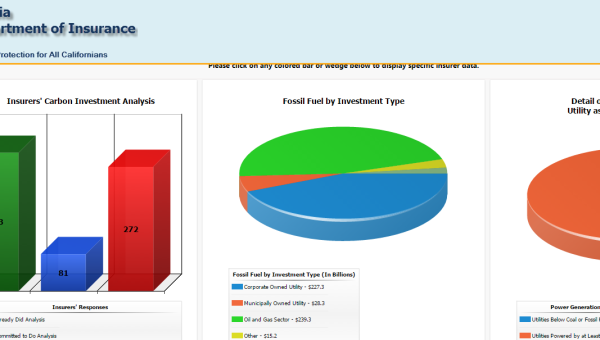
Last week, California Insurance Commissioner Dave Jones launched the latest salvo in his relentless crusade to coerce the nation’s leading insurance companies to divest from oil and natural gas company holdings.
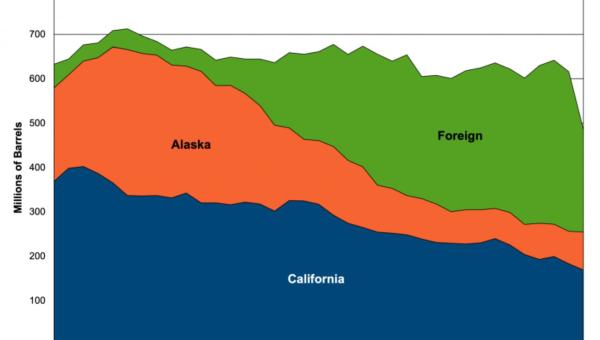
Limiting California’s access to the exact types of crude oil its facilities need will only increase prices for the state’s consumers and travelers. Drivers are already dealing with gasoline prices in excess of $5 per gallon and the highest fuel taxes of the 50 states. Confining energy producers and consumers to a smaller pool of crude oil will make a very sensitive price environment that much worse.
A duo of strong storms that swept through the United States has temporarily disrupted domestic fuel markets, but effective responses by the private and public sectors have limited the fallout from Hurricanes Harvey and Irma for Americans who need fuel critical for commerce.
America’s refining and petrochemical community employs and supports over three million people, hiring individuals from all education levels to fill a wide range of positions (such as welders, electricians, chemists, and engineers).
WASHINGTON, D.C. – This decision by the Canadian government to designate plastic manufactured items as “toxic” is unwarranted and not based in science.
One key component called for in nearly every recipe for clean, low-sulfur gasoline is alkylate. Alkylate is high in octane, low in sulfur and has zero aromatics which all help to lower vehicle emissions and tailpipe pollution.
It’s been two and a half years since Congress granted the Department of Homeland Security’s Chemical Facility Anti-Terrorism Standards (CFATS) program long-term authorization.