The biofuel industry, facing poor margins due to overproduction and declining exports, is trying various tactics to force more ethanol and biodiesel into the U.S. fuel supply.
The chief executives of Valero Energy Corporation, Marathon Petroleum Corporation and Flint Hills Resources sent a letter to President Trump yesterday urging him to avoid actions that would worsen the impacts of federal biofuel policies on U.S. refiners.
AFPM recently voiced its disappointment at the decision by the U.S. Supreme Court not to hear ExxonMobil’s challenge to the New Hampshire Supreme Court’s decision to uphold a $236 million judgment against the company’s use of Methyl Tertiary Butyl Ether (MTBE) in the state’s gasoline supply in the 1990s.
The American Fuel & Petrochemical Manufacturers (AFPM) and American Petroleum Institute (API) sent a new letter to President Trump urging him not to listen to “misinformation and misguided policies” from the ethanol lobby that will result in lost jobs in refining communities and higher gasoline prices for consumers.
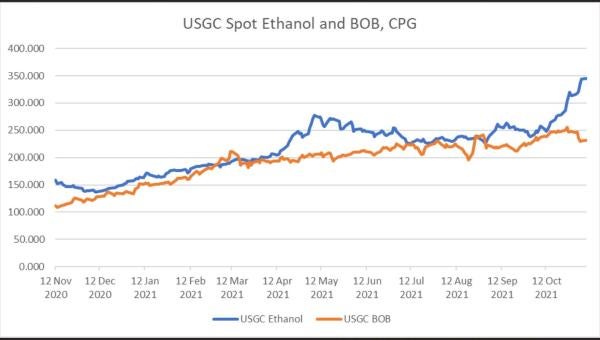
Fuel supply limitations resulting from the impact of hurricanes and other natural disasters on infrastructure, for example, can lead to price increases as the market reacts to rebalance supply and demand.
A major labor union — the International Brotherhood of Boilermakers — is urging President Trump not to put union jobs at risk by increasing federal biofuel blending obligations for refiners.
Despite opposition from thousands of elected officials, state agencies, businesses, community groups and other stakeholders, EPA pressed ahead with its tighter ozone standards from 75 parts per billion (ppb) to 70 ppb on October 1st last year - a move that is expected to cost $1.4 billion annually and provide little economic benefit.
In a new editorial, The Wall Street Journal sounds off on the recent politicking by the ethanol industry that stands to harm U.S. refiners — with no benefit to U.S. farmers.
If the Biden Administration is serious about helping consumers, it needs to adopt policies that promote U.S. energy production and refining. A good place to start would be right-sizing RFS mandates.
Decarbonizing heavy trucks and airplanes, which will continue to rely on liquid fuels for the foreseeable future, once seemed a distant dream. That is changing thanks to innovation and investment from America’s fuel refiners, which are manufacturing renewable diesel and sustainable aviation fuels that cut carbon emissions by as much as 80 percent.