With a wave of retirements looming in the next decade, many in the petrochemical and refinery sectors are looking to a 40-year industry veteran to prepare the next generation of highly qualified workers.
WASHINGTON, D.C. – The American Petroleum Institute (API) President and CEO Mike Sommers and American Fuel & Petrochemical Manufacturers (AFPM) President and CEO Chet Thompson today released the following statement on the Trump Administration’s intent to significantly increase the 2020 U.S. biofuel mandate.
WASHINGTON, D.C. – The American Fuel & Petrochemical Manufacturers (AFPM) President and CEO Chet Thompson today released the following statement regarding the Trump Administration’s supplemental rule to adjust the U.S. biofuel mandate
An engineer scoops a handful of tiny pellets out of a stainless-steel canister at a manufacturing plant in the Netherlands and rolls them around in his hand.
From the wings and fuselage to the seats and overhead bins, petrochemicals have been increasingly relied upon to make passenger aircraft lighter and stronger, cutting fuel use and costs and making air travel more sustainable at a time when more people are flying than ever before.
Further research from Arizona State University has been released today which highlights - yet again - just how damaging divestment will be for universities that bow to pressure from narrow-minded...
As we progress through 2019, one thing that has remained consistent is that U.S. ethanol consumption and blending are higher this year than they have ever been — a sign that small-refinery hardship waivers exempting some qualified facilities from Renewable Fuel Standard (RFS) blending obligations have not destroyed demand for ethanol.
Washington, D.C. is a college town bustling with student activists embracing their First Amendment rights. During our college years, we all latch on to various movements or beliefs (myself included)—for one reason or another—that perhaps remain when we leave university life behind us.
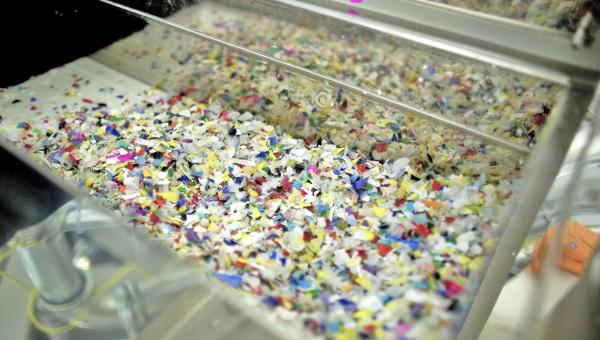
Many waste items provide important value before being tossed into a bin. Discarded plastic products, for example, originally serve as packaging to keep school lunches fresh, lightweight bottles for efficiently transporting fresh water to hard-to-reach areas, containers for soaps and detergents that facilitate hygiene – and much more.