WASHINGTON, D.C. — American Fuel & Petrochemical Manufacturers (AFPM) President and CEO Chet Thompson and American Petroleum Institute (API) President and CEO Mike Sommers issued the following statement on today’s signing of a Congressional Review Act (CRA) resolution overturning EPA’s 2024 authorization of California’s ban on sales of new gas cars.
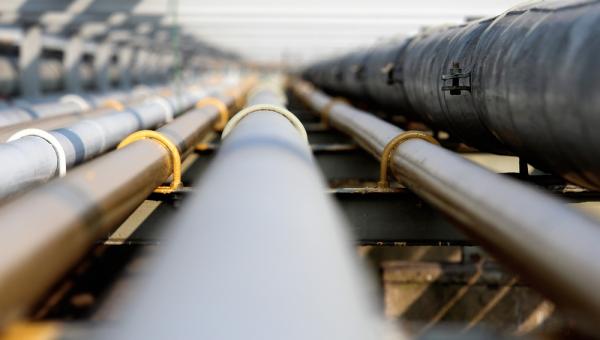
Increasing public interest in pipelines in recent months prompted us to speak with AFPM Senior Director of Petrochemicals, Transportation, and Infrastructure Rob Benedict to gain some insight into the hidden role of pipelines in our everyday lives.
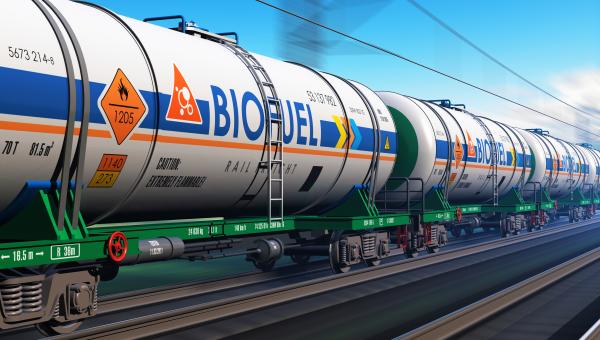
It should come as a surprise to congressional supporters of the Energy Independence and Security Act (EISA), that their 2007 votes to expand the Renewable Fuel Standard (RFS) to advance “homegrown energy” would lead to historic U.S. imports of biodiesel
Nothing is more important than the health and safety of our people and our communities—the communities where our employees live, work and go to school.
One of the societal byproducts of the COVID-19 pandemic has been an increased emphasis on technology to meet changing needs, and the fuel and petrochemical industries are no exception to that trend.
American Fuel & Petrochemical Manufacturers CEO Chet Thompson today issued the following statement on the Biden administration’s announcement that it plans to invoke emergency waiver authority under the Clean Air Act to allow for the incremental sale of E15 fuel this summer.
AFPM supports the people of Ukraine against Russia’s unprovoked acts of war. These acts of aggression are unacceptable and should be met with fierce opposition. AFPM fully supports the suspension of all future purchases of crude oil and petroleum products from Russia. To protect consumers, however, any import prohibition should exempt products currently in transit to the United States.
WASHINGTON, D.C. — Today, the American Fuel & Petrochemical Manufacturers (AFPM) testified before the U.S. Environmental Protection Agency (EPA) urging President Biden and the EPA to deny California’s petition for a federal Clean Air Act waiver that the state would use to enact a full ban on sales of new gasoline, diesel, flex fuel and traditional hybrid vehicles.
New analysis has found that a Senate plan to extend the federal electric vehicle (EV) tax credit would cost taxpayers as much as $16 billion over the next decade, money that in recent years has largely gone toward the purchase of luxury electric vehicles.