As the 2016 presidential election cycle heats up, a lot of the candidates are talking about how to revitalize the middle-class. Such a focus is welcome and overdue.
WASHINGTON, D.C. – AFPM President and CEO Chet Thompson today issued the following statement in response to the Trump Administration’s decision not to appeal the 10th Circuit ruling that would effectively end the small refinery relief program established by Congress under the Renewable Fuel Standard.
WASHINGTON, D.C. – President Trump and Commerce Secretary Wilbur Ross are being urged by some to intervene in the energy market and limit refiners’ access to globally sourced crude.
An exhaustive study by top scientists at three government agencies in two countries (DOT, DOE, and Transport Canada) has found no evidence for restricting the vapor pressure of crude oil transported by rail.
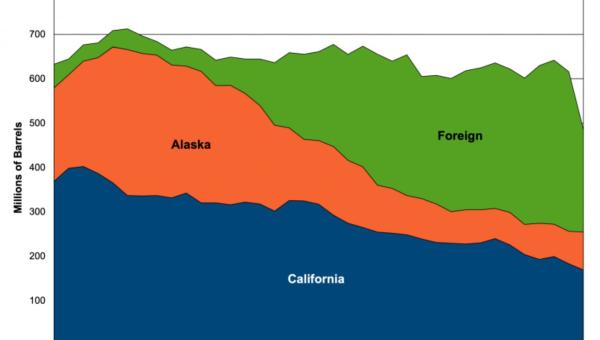
Limiting California’s access to the exact types of crude oil its facilities need will only increase prices for the state’s consumers and travelers. Drivers are already dealing with gasoline prices in excess of $5 per gallon and the highest fuel taxes of the 50 states. Confining energy producers and consumers to a smaller pool of crude oil will make a very sensitive price environment that much worse.
Negotiations to modernize the North American Free Trade Agreement (NAFTA) are a chance to boost the competitiveness of U.S. companies in Canada and Mexico and solidify the preeminent role U.S. refiners and petrochemicals producers play in enabling global transportation and manufacturing.
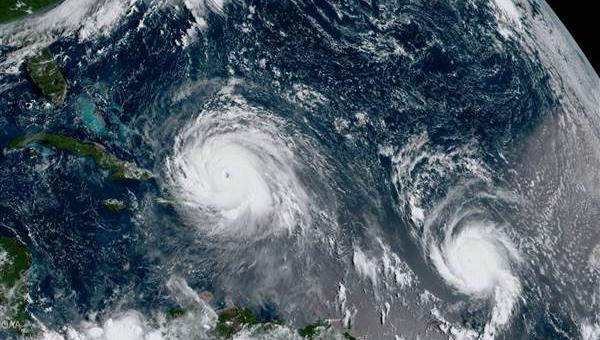
Hurricane Irma passed through Florida and into the Southeast over the weekend, and our thoughts and prayers are with the state and its residents as they begin to recover from this devastating storm.
A duo of strong storms that swept through the United States has temporarily disrupted domestic fuel markets, but effective responses by the private and public sectors have limited the fallout from Hurricanes Harvey and Irma for Americans who need fuel critical for commerce.
Ethylene, a key building block in plastic and vital to our country’s manufacturing industry, has been thrust into the spotlight due to Hurricane Harvey’s impact on its production process.