In just five days, Hurricane Harvey unleashed one trillion gallons of water on the Houston area — equivalent to the amount rushing over Niagara Falls in a two-week period. The unprecedented rain has...
Earlier this month, researchers at the University of Sydney and Harvard announced the development of a new surgical glue called “MeTro”, which promises to revolutionize the treatment of wounds both on...
Athletes gathering for the winter Paralympics in South Korea this month are remarkable examples of how people overcome challenges – and new technologies are increasingly helping these impressive athletes push their limits by doing more, going faster or going farther.
Every day, AFPM members make products that improve our lives and contribute to human progress — including fuels like gasoline, diesel and jet fuel that facilitate access to vital health services, and petrochemicals used as building blocks to create healthcare equipment, devices and technologies.
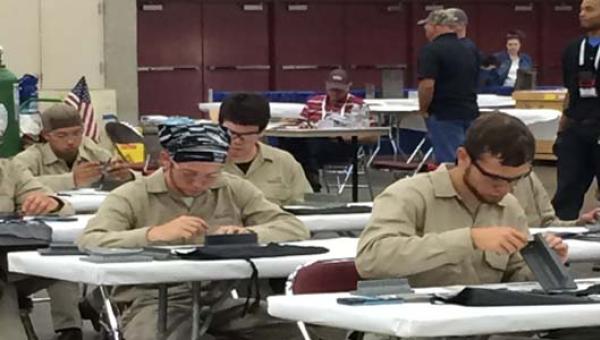
One of the most significant challenges facing the fuel and petrochemical industries is finding the next generation of craft professionals ranging from electricians to millwrights to everything in between.
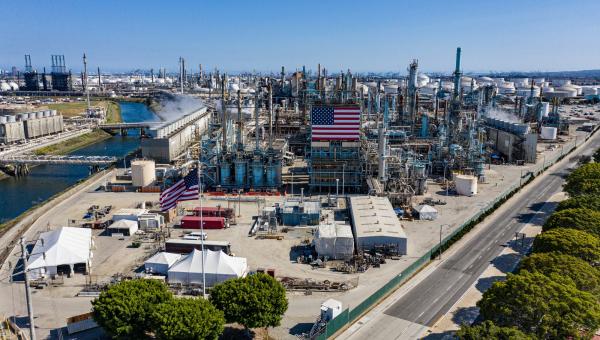
For more than 100 years, the women and men of our industries have answered the call to serve when our country needed them. Through war, economic shocks, and natural disasters, refiners and petrochemical manufacturers have helped build new industries, grow our economy and fuel progress.
WASHINGTON, D.C. – The United Steelworkers—on behalf of their 1.2 million active and retired members, and the American Fuel & Petrochemical Manufacturers, in a joint letter, have petitioned President Biden to fill the four empty seats on the Chemical Safety & Hazards Investigations Board (CSB).
We are surprised and disappointed by the President’s letter. Any suggestion that U.S. refiners are not doing our part to bring stability to the market is false. We would encourage the Administration to look inward to better understand the role their policies and hostile rhetoric have played in the current environment.
Petrochemicals derived from oil and natural gas are the building blocks for products that protect our military personnel, create medical advancements to help save lives in combat, and aid our wounded warriors.