Building on decades of broader efforts alongside automakers to advance fuel-efficient technologies and vehicles, refiners are leading the effort to transition the U.S. to high-octane gasoline.
WASHINGTON, D.C. – AFPM President and CEO Chet Thompson today issued the following statement in response to the Trump Administration’s decision not to appeal the 10th Circuit ruling that would effectively end the small refinery relief program established by Congress under the Renewable Fuel Standard.
WASHINGTON, D.C. – President Trump and Commerce Secretary Wilbur Ross are being urged by some to intervene in the energy market and limit refiners’ access to globally sourced crude.
An exhaustive study by top scientists at three government agencies in two countries (DOT, DOE, and Transport Canada) has found no evidence for restricting the vapor pressure of crude oil transported by rail.
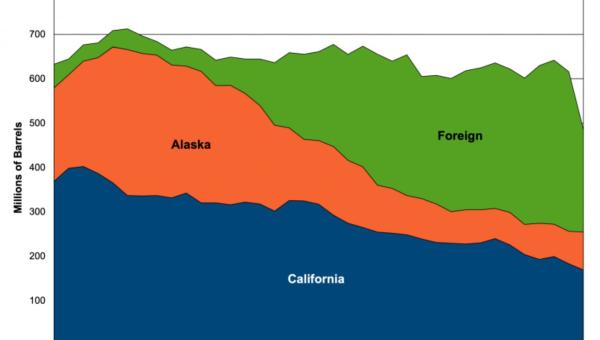
Limiting California’s access to the exact types of crude oil its facilities need will only increase prices for the state’s consumers and travelers. Drivers are already dealing with gasoline prices in excess of $5 per gallon and the highest fuel taxes of the 50 states. Confining energy producers and consumers to a smaller pool of crude oil will make a very sensitive price environment that much worse.
Negotiations to modernize the North American Free Trade Agreement (NAFTA) are a chance to boost the competitiveness of U.S. companies in Canada and Mexico and solidify the preeminent role U.S. refiners and petrochemicals producers play in enabling global transportation and manufacturing.
After weeks of overindulgence, people catch sight of their bulging waistlines in bedroom mirrors and declare their New Year’s resolution is to get in shape. This is where petrochemicals can help.
At only 21 years old, Matt was diagnosed with heart valve disease — a condition he was able to manage with the help of doctors and medicines for nearly a decade.