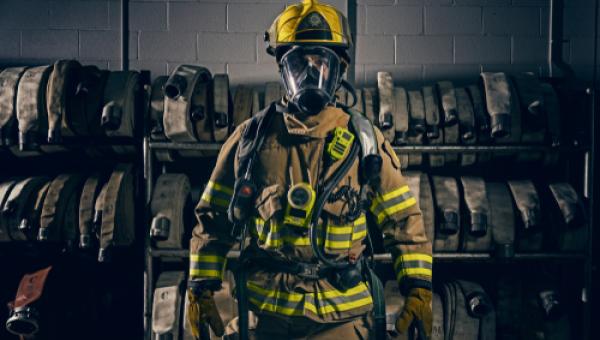
Dan’s legs – and his life – were saved, thanks to the fellow firefighters that pulled him out of danger and his personal protective equipment (PPE), also known as turnout gear, gear that’s made possible by petrochemicals.
Alongside the publication of AFPM’s new study, “The Fuel & Petrochemical Supply Chains: Moving the Fuels & Products That Power Progress,” Flash Point interviewed leaders working on U.S. midstream infrastructure issues, including Sean Strawbridge, CEO of the Port of Corpus Christi.
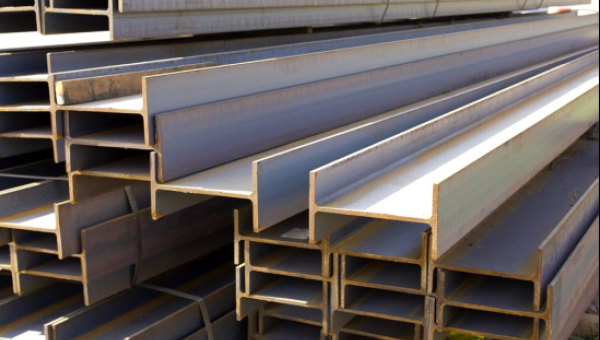
The American Fuel & Petrochemical Manufacturers (AFPM) has expressed concern about the impact that steel and aluminum tariffs would have on prices at the pump, infrastructure investment and jobs.
In the days before stain-resistant carpets and upholstery, keeping muddy dogs and kids’ shoes off the furniture and out of the living room was a full-time job.
Every day, AFPM members make products that improve our lives and contribute to human progress — including fuels like gasoline, diesel and jet fuel that facilitate access to vital health services, and petrochemicals used as building blocks to create healthcare equipment, devices and technologies.
As Hurricane Florence approaches the East Coast, Carolina communities are preparing for the Category 3 storm to make landfall – while nearly two million residents are under warning to evacuate.
As Hurricane Florence approached the East Coast this week, nearly two million residents throughout the Carolinas, Maryland and Virginia were placed under evacuation watch.
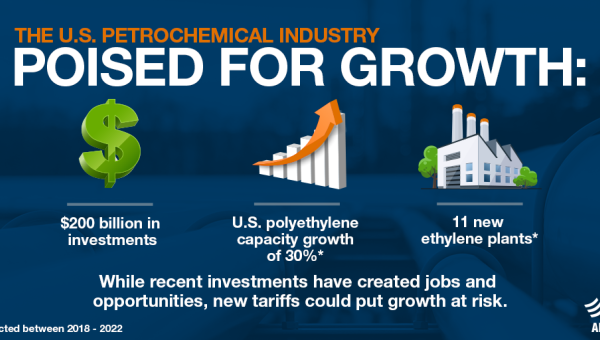
One of America’s major strengths when it comes to the economy and global trade is our petrochemical industry, which produces the building blocks used in manufacturing supply chains across the globe.
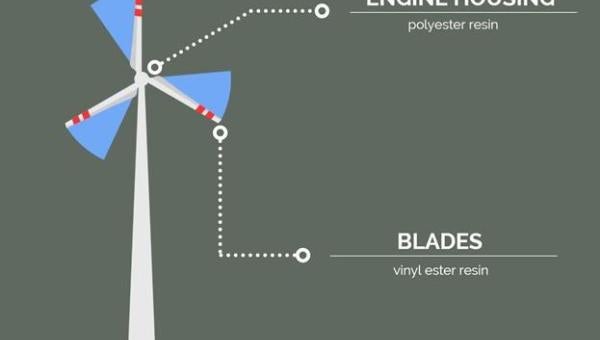
As the Energy Information Administration pointed out in a recent update, alternative energy is growing - and wind and solar continue to lead that mix. This rising (although still tiny) growth rate is...