Facilitator:
Andrew Mezera, Valero Energy Corporation
Panelists:
Ann Benoit, W. R. Grace & Co.
Richard Grove, Chevron U.S.A. Inc.
Nik Larsen, Marathon Petroleum Corporation
Steve Shimoda, Technip Energies
Bill Wilson, FCC Process Consultant
Over the past 12 years, Ketjen FCC modeling engineers have simulated over 145 FCC units globally, identifying common challenges that prevent refiners from fully leveraging kinetic FCC models to maximize profitability. These challenges often stem from structural issues in model setup, poor-quality process measurements, or a lack of detailed knowledge about the models. This presentation will highlight 4 to 6 real-world examples, offering insights on how to: 1) avoid common modeling predicaments, 2) quickly identify if problems exist, and 3) implement actionable solutions.
Moderator:
Steve Shimoda, Technip Energies
Speaker:
Alan Kramer, Ketjen Corporation
Bridget Cadigan, Marathon Petroleum Corporation
Fluid Catalytic Cracking technology provides an elegant and flexible solution to meet refining and petrochemical demands but concurrently carries notable challenges. Among these challenges are contaminants produced in the process, notably particulate matter, SOx, NOx, and CO, which have potential to result in air quality emissions from the flue gas stack. This session will describe the formation mechanisms and summarize available control technology to manage emission of these species.
Mowing lawns is a summertime rite of passage in America, providing young people with experience pitching their business to neighbors, keeping a work schedule, and making and managing money—from purchasing the gasoline that fuels the operation, to budgeting for the oils and lubricants that keep a mower’s engine and blades running smoothly.
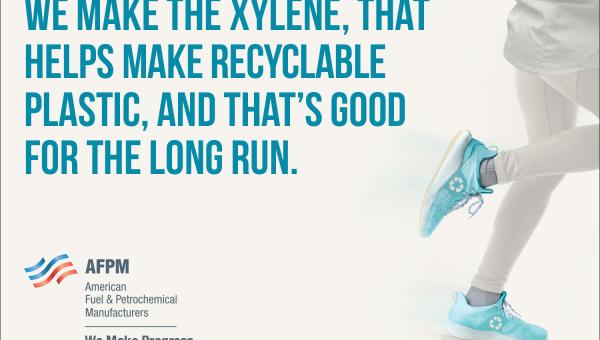
As petrochemicals and recycling advancements give old plastic new life over and over again—from shoes and clothes made of recycled plastic recovered from the ocean, to plastic bottles being chemically recycled into fuel and a raw material to make new petrochemicals—what it means to “recycle” is changing right before our eyes.
Plastic roads and buildings, the influence of energy and petrochemicals in geopolitics, and chemical and molecular recycling processes that could create a truly circular economy for plastic products were just a few of the topics discussed at AFPM’s 44th International Petrochemical Conference (IPC) in San Antonio last week.
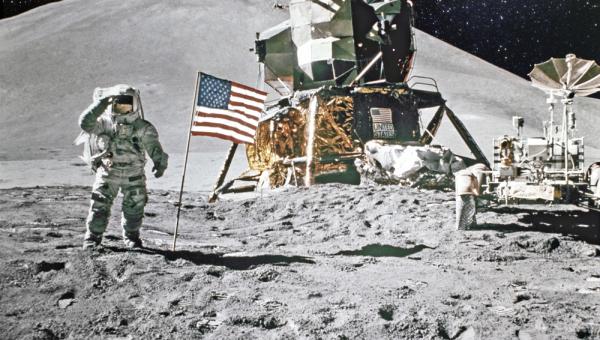
Preface: So, I was asked if we can somehow tie Moon Day with petrochemicals. I said that I’m pretty sure space suits are made from synthetic materials, so that’s a pretty good tie-in.